Can Dogs Get Alpha-Gal Syndrome?
Short answer: the science is not settled. Dogs are bitten by the same ticks people are, and they can make alpha-gal antibodies, but a clear meat allergy like the human alpha-gal syndrome has not been well documented in dogs. There is a separate, more practical angle too: because dogs are mammals, dog and other pet-food meat contains alpha-gal, which matters for the people who handle it.
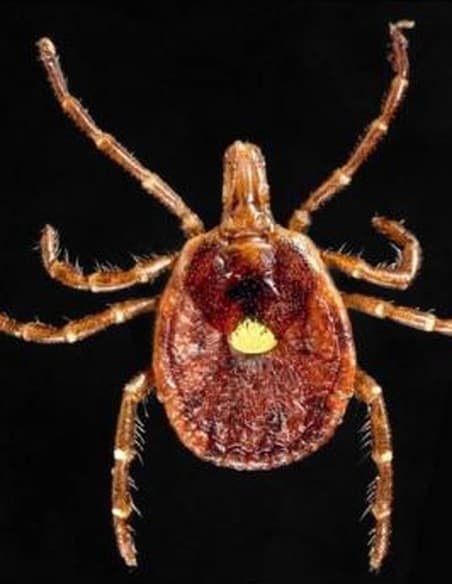
Do dogs develop the allergy?
Studies have found that dogs exposed to ticks can produce antibodies to alpha-gal, so their immune systems clearly notice it. What is not established is whether that translates into the delayed meat allergy people get. A handful of veterinary reports describe possible food or tick-related reactions, but there is no defined canine alpha-gal syndrome with agreed symptoms and testing. For now it is best treated as an open question, not a diagnosis.
Why pet food is the bigger issue
The more common real-world concern involves the human, not the pet. Dogs are mammals, so beef, pork, lamb, and other mammal-based dog foods and treats contain alpha-gal. People with alpha-gal syndrome who scoop raw food, handle mammal chews, or breathe cooking fumes can occasionally react. Washing hands and not tasting pet food are easy precautions.
What to watch for and do
- Unexplained allergic signs in a dog. Recurrent itching, hives, or gut upset with no clear cause is worth a veterinary workup, whatever the trigger turns out to be.
- Prevent tick bites on pets. Vet-recommended tick prevention protects your dog from the diseases ticks clearly do cause, and cuts the chance of tick bites reaching the household.
- If you have AGS, handle raw mammal pet food carefully, wash your hands, and consider poultry or fish-based options if contact bothers you.
- Don't self-diagnose a pet. Alpha-gal testing and interpretation for animals is not standardized. A veterinarian is the right call.
Frequently asked questions
- Can dogs get alpha-gal syndrome?
- The evidence is limited. Research shows dogs can produce alpha-gal antibodies after tick exposure, but whether they develop the same meat-triggered allergic disease that people do is not well established. A few reports describe possible reactions, yet there is no clear, well-defined alpha-gal syndrome in dogs the way there is in humans. If your dog has unexplained allergic signs, talk to your veterinarian.
- Is alpha-gal in dog meat?
- Yes. Dogs are mammals, so their tissues contain the alpha-gal sugar, just like beef and pork. This matters for people with alpha-gal syndrome who handle raw pet food or mammal-based treats, not for the dog itself.
- Can a person with alpha-gal feed their dog meat?
- Feeding a dog mammal-based food does not affect the dog's health from an alpha-gal standpoint. The consideration is for the human: handling raw mammal meat or mammal-derived pet food means skin contact and fumes, which a small number of highly sensitive people react to. Washing hands and avoiding tasting are sensible precautions.
- Can cats get alpha-gal syndrome?
- As with dogs, there is not enough evidence to say cats develop alpha-gal syndrome the way humans do. Cats are mammals, so their tissue contains alpha-gal, but a defined feline version of the allergy is not established. Ask your vet about any unexplained allergic symptoms.