Alpha-Gal Syndrome: The Red Meat Allergy From a Tick Bite
Alpha-gal syndrome (AGS) is a delayed allergy to red meat that a tick bite can cause. It is spreading across the United States as the lone star tick expands its range. The counterintuitive part: a tick bite, not the meat, is what makes you allergic.
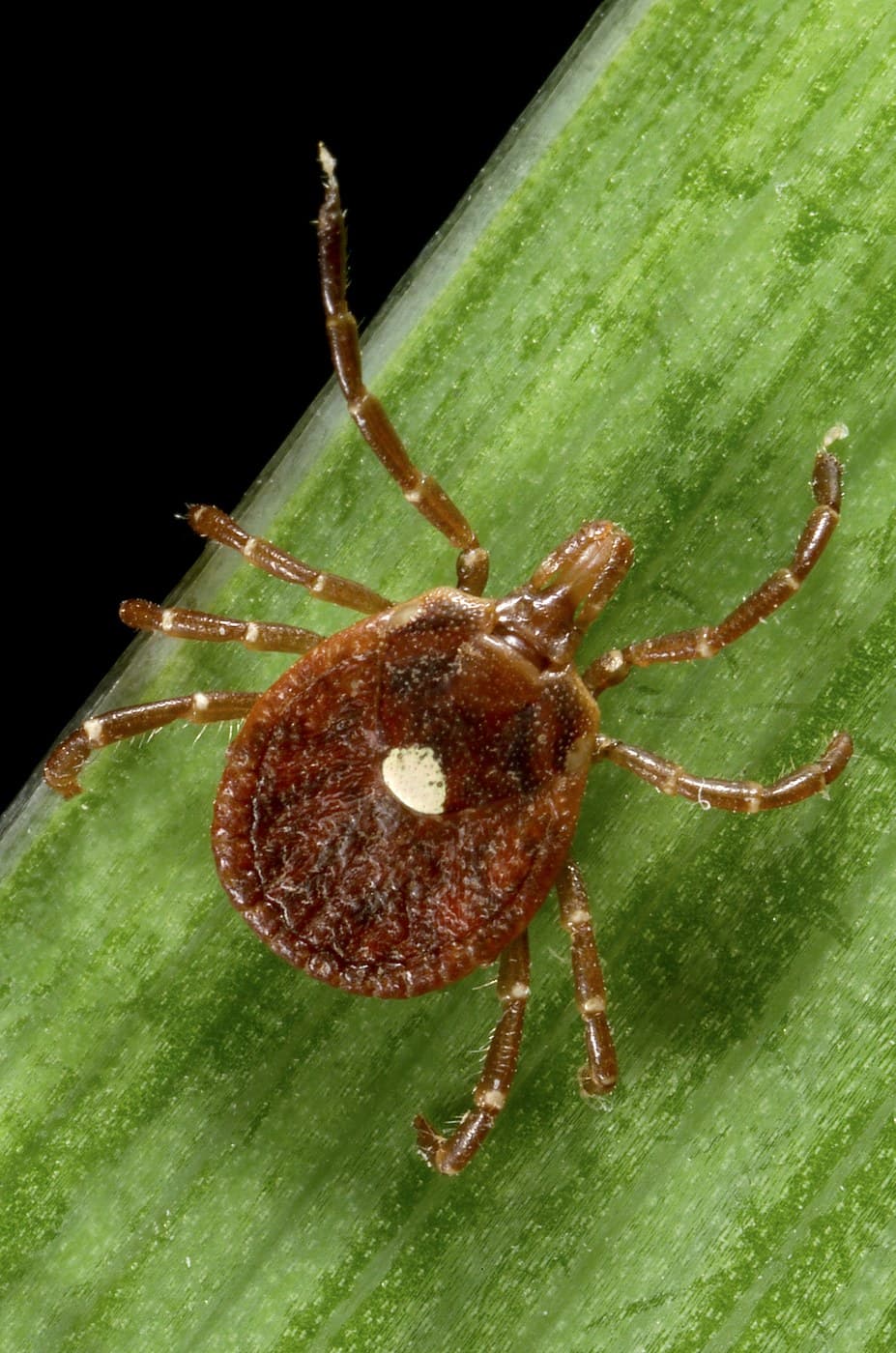
How alpha-gal syndrome happens
A tick bite, not a food, is what starts it.
- 1
A lone star tick bites you
Its saliva carries the alpha-gal sugar into your body.
- 2
Your immune system reacts
It builds antibodies to alpha-gal over the following weeks to months.
- 3
You eat mammal meat
Beef, pork, lamb, or dairy and gelatin, all of which contain alpha-gal.
- 4
A delayed reaction hits
Hives, gut symptoms, or anaphylaxis, typically 2 to 10 hours later.
What contains alpha-gal, and what's safe
Alpha-gal is in mammals and mammal-derived products. Birds, fish, and plants are free of it.
Contains alpha-gal
- Beef, pork, lamb, goat
- Venison and other game
- Organ meats
- Dairy: milk, cheese, butter
- Gelatin (gummies, marshmallows)
- Some gelatin-based medications
Generally safe to eat
- Chicken and turkey
- Fish and shellfish
- Eggs
- Fruits and vegetables
- Grains, beans, nuts
Tolerance to dairy and gelatin varies by person. An allergist can help you set a safe diet. Not medical advice.
Symptoms and the delay
Hives, itching, stomach pain, nausea or diarrhea, and in severe cases anaphylaxis, usually 2 to 10 hours after eating. Because a midnight reaction traces back to dinner, AGS is easy to miss. The CDC calls it underrecognized, with up to hundreds of thousands of Americans possibly affected.
Which tick causes it
Primarily the lone star tick. Rare cases have been linked to other ticks, including a 2025 CDC report of a case after a deer-tick bite in Maine, but those are uncommon and under study.
Where the risk is
AGS tracks the lone star tick, most established across the Southeast and South-Central US and now spreading north and up the coast. Hotspots reach into the Northeast: in Massachusetts it is established in Barnstable County, Dukes County, Nantucket County, and on Martha's Vineyard positive alpha-gal tests rose from 2 (2020) to 742 (2025). See where it's established, state by state, or the states ranked by risk.
What to do & how to prevent it
Delayed reactions after red meat? See a clinician, a blood test for alpha-gal IgE antibodies can confirm it. There is no vaccine, so prevention means avoiding lone star tick bites: repellent, permethrin-treated clothing, and tick checks in grassy, brushy coastal areas in summer.
Meet the tick behind it
How to identify the lone star tick, its season, and exactly where it's established in Massachusetts, with a map.
More on living with alpha-gal
Symptoms
What a reaction looks like, why it is delayed, the fatigue and quiet cases, and how the blood test works.
Foods to avoid
The full avoid-and-safe list, hidden mammal ingredients, and how to read a label or order at a restaurant.
How long does it last?
Whether alpha-gal is permanent, when it can fade, and why avoiding new tick bites is what changes the odds.
Can dogs get it?
What the research shows about alpha-gal in dogs and cats, and why pet food is the more practical concern.
Where it's spreading (map)
The most affected states, blood-donor seroprevalence, and case hotspots, from CDC surveillance.
Frequently asked questions
- What tick causes alpha-gal syndrome?
- In the United States, alpha-gal syndrome is caused primarily by the bite of the lone star tick. Rare, emerging cases have been linked to other ticks, including a 2025 CDC report of a case after a blacklegged (deer) tick bite in Maine, but those are uncommon and still under study. The lone star tick is by far the main driver.
- What can't you eat with alpha-gal syndrome?
- The allergen is in mammalian meat (beef, pork, lamb, venison), organ meats, and often mammal-derived products such as dairy, gelatin, and some gelatin-based medications. Poultry, fish, shellfish, eggs, and plant foods do not contain alpha-gal and are generally safe. Tolerance to dairy and gelatin varies from person to person.
- How long after eating meat do alpha-gal reactions happen?
- Reactions are typically delayed 2 to 10 hours after eating mammalian meat, which is unusual for a food allergy and is a big reason it is often missed. Sensitivity itself can develop in the weeks to months after one or more tick bites.
- Is alpha-gal syndrome permanent?
- It varies. For some people, sensitivity fades over months to years if further tick bites are avoided, and tolerance to meat can return. For others it persists. A clinician can test alpha-gal IgE antibody levels over time. This is general information, not medical advice.