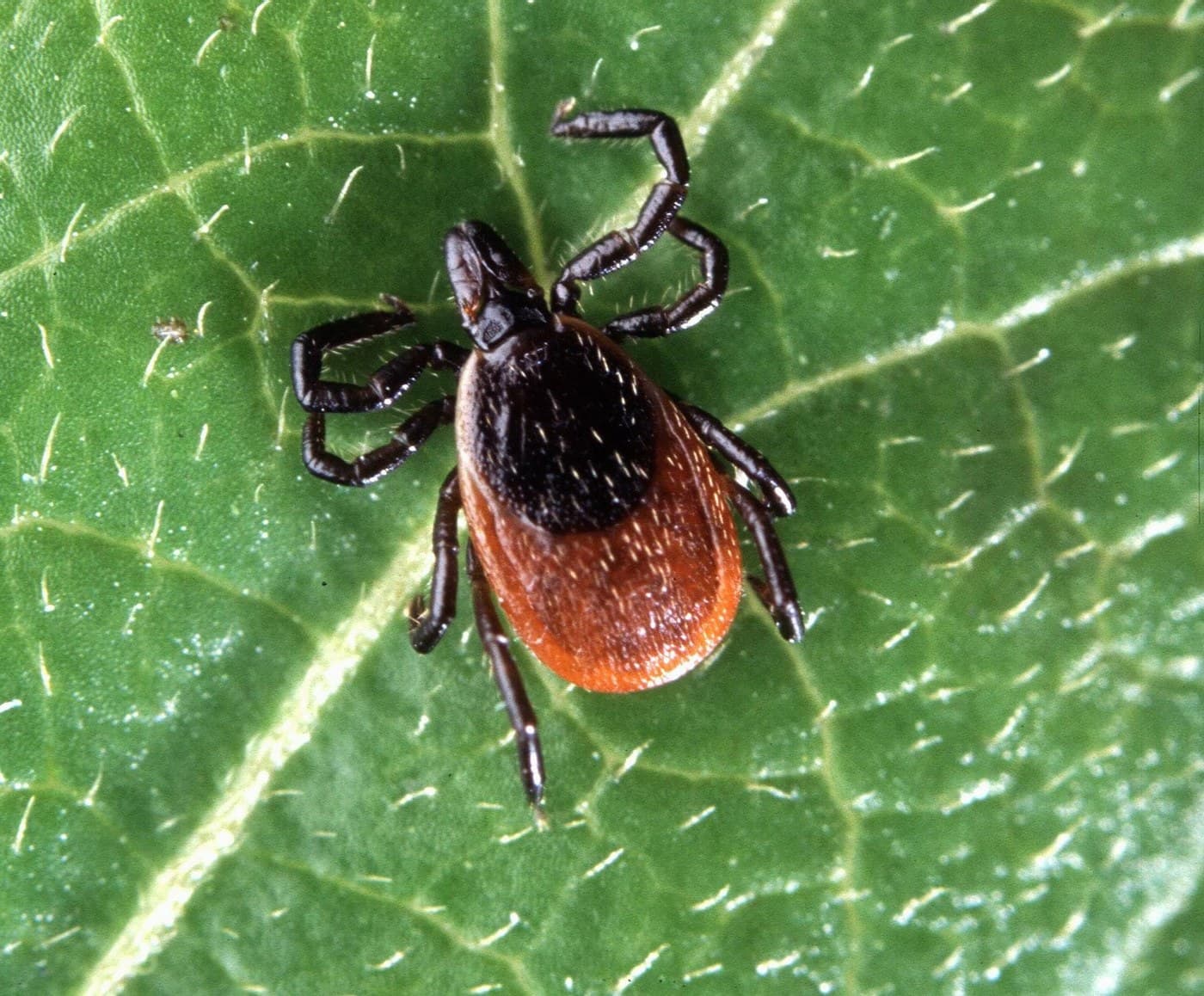
Deer tick
Ixodes scapularis
- Size:
- Small, a sesame seed (nymph: a poppy seed)
- Look for:
- Reddish-orange body, solid dark shield, black legs, no pattern
- Carries:
- Lyme, babesiosis, anaplasmosis, Powassan
Several ticks bite people across the U.S., and they are genuinely different, in where they live, when they bite, and what they carry. Only the deer tick and its western cousin spread Lyme. Here is every one, with photos and how to tell them apart.
Ixodes scapularis
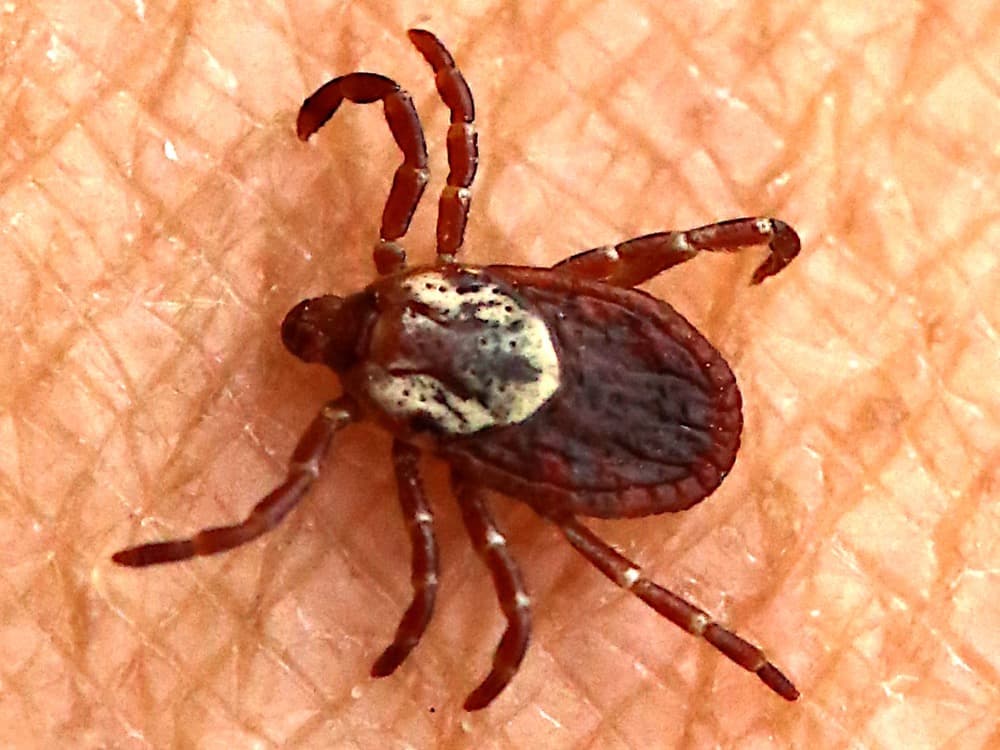
Dermacentor variabilis
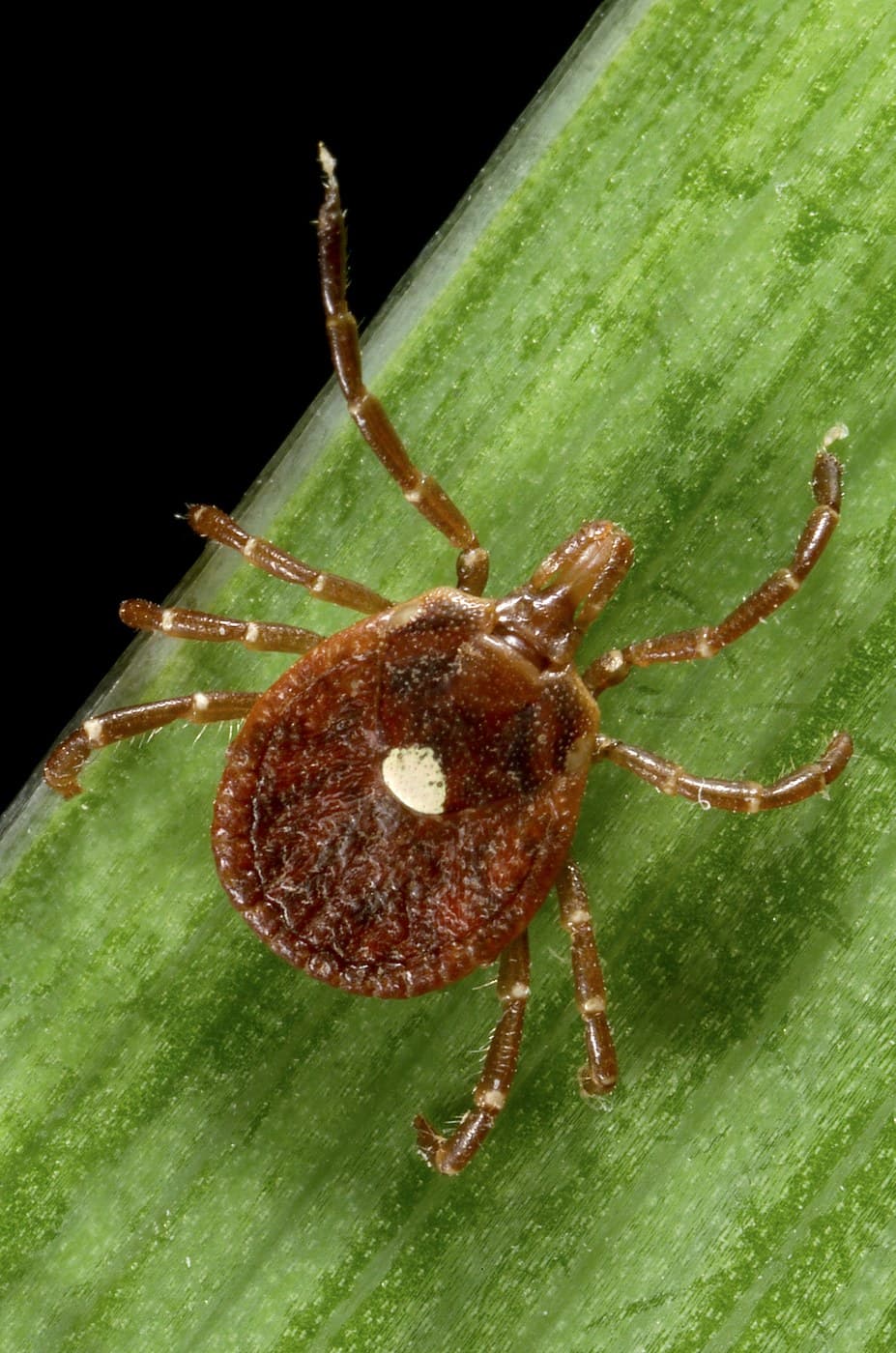
Amblyomma americanum
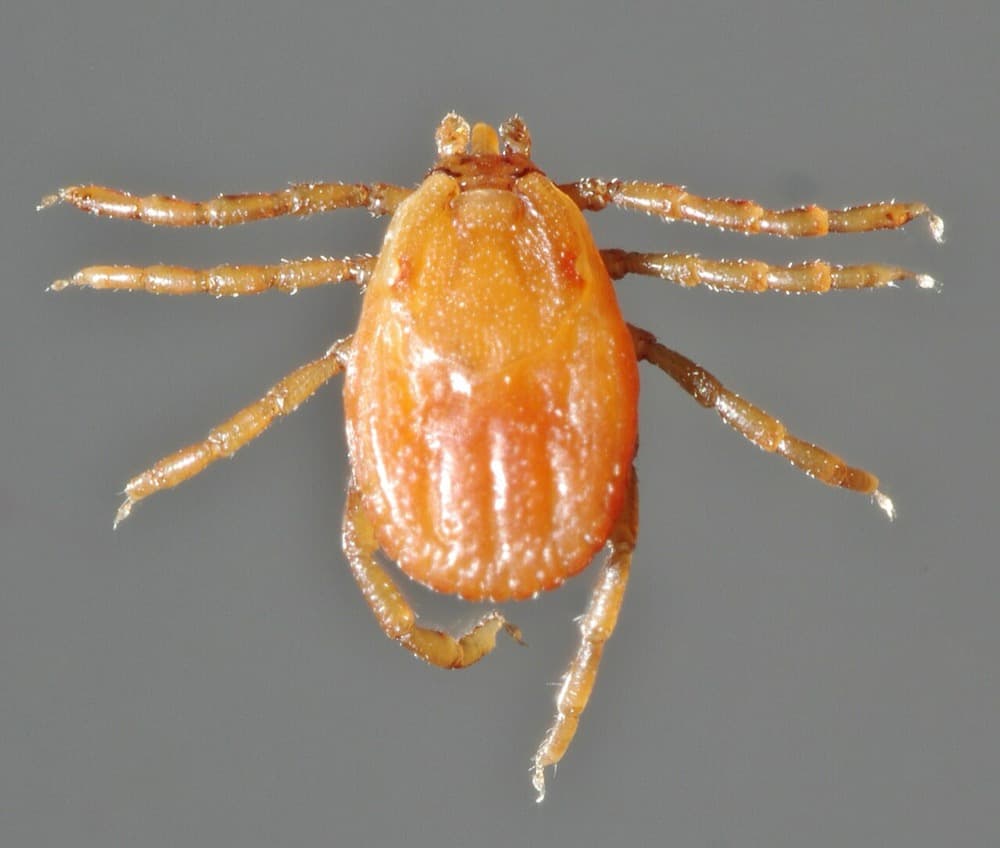
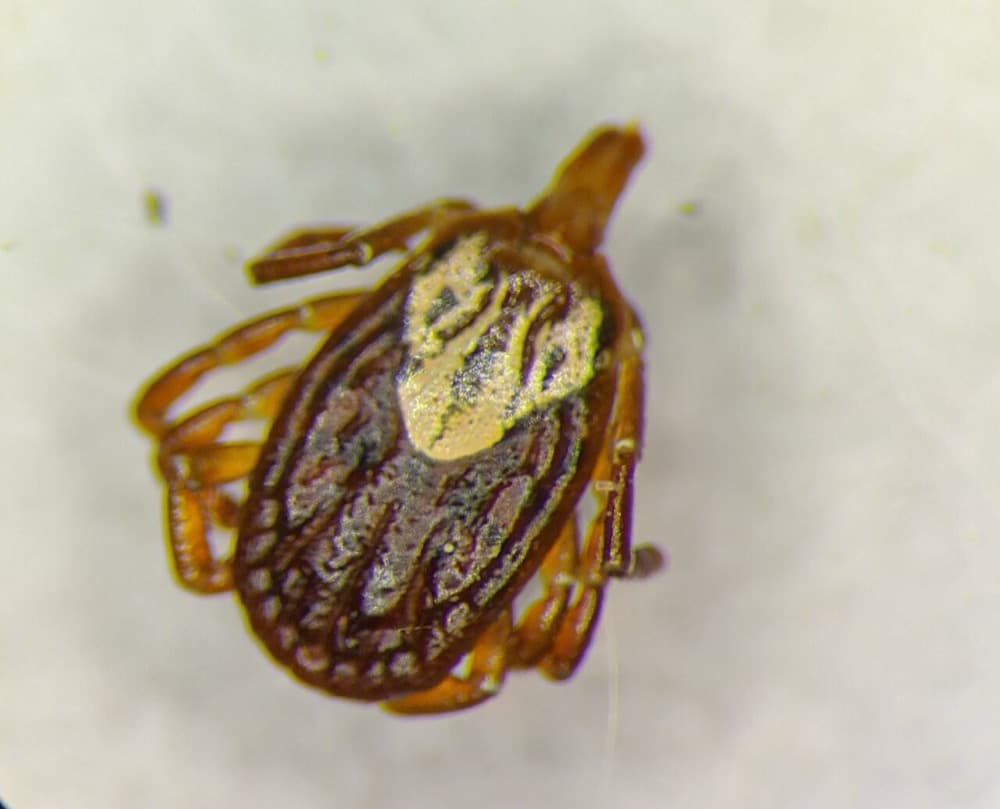
Rhipicephalus sanguineus
Found nationwide, the one tick that infests homes and kennels indoors
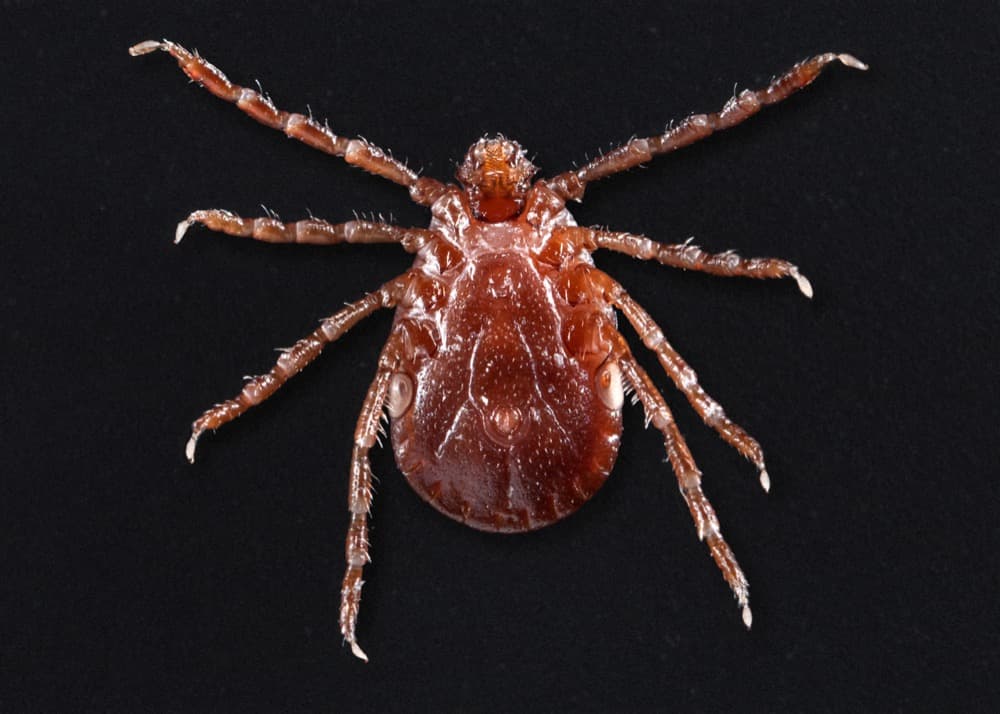
Amblyomma maculatum
A southern tick spreading north into the mid-Atlantic
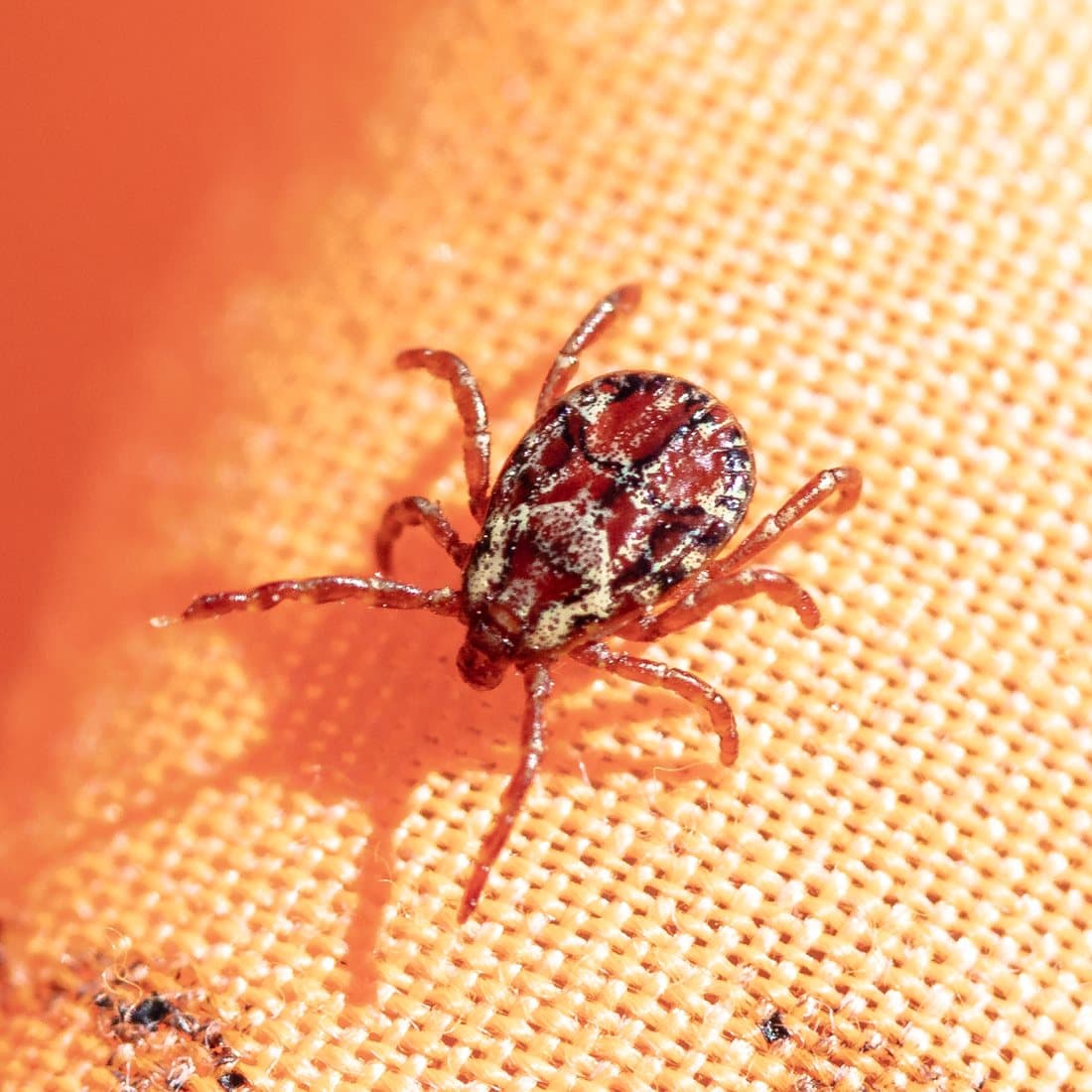
Haemaphysalis longicornis
A newer arrival, established in the mid-Atlantic and spreading north
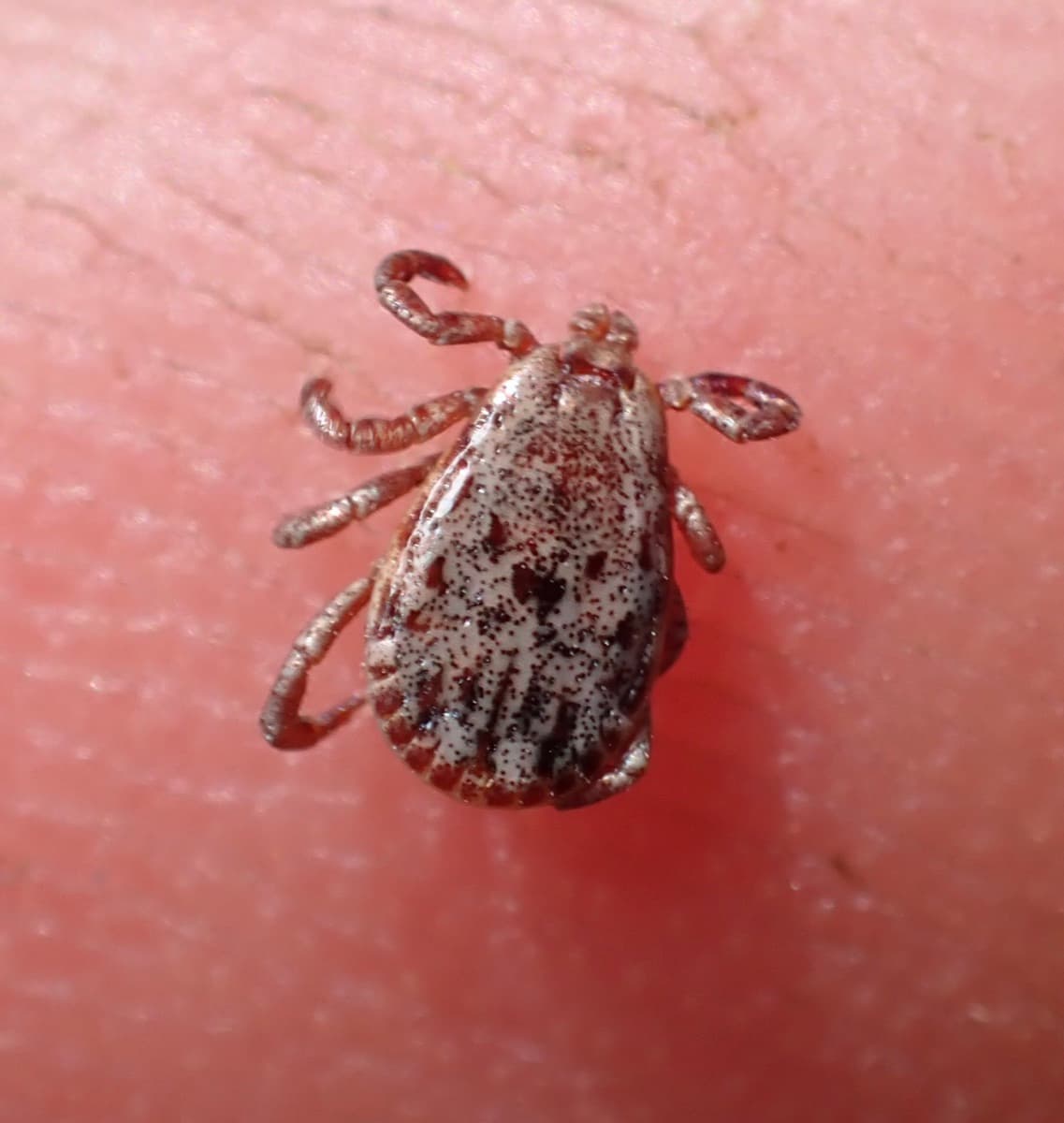
Dermacentor andersoni
The main human-biting tick of the interior West, a spring tick at 4,000 to 10,500 ft
Dermacentor occidentalis
California's most common human-biting tick, in chaparral and brush
Photo credits in each guide. Range and disease data: CDC tick surveillance (ArboNET Tick Module), 2025.
Photos, size, and markings to tell every tick apart.
Read →Season, time of day, and the temperature that wakes ticks up, plus a live check for your town.
Read →Side by side: which one carries Lyme, and which bit you.
Read →The tiny ones that show up in clusters, and how to tell them from chiggers.
Read →The safe step-by-step, plus the tools that actually work.
Read →The same method, with the cat-specific cautions that matter.
Read →Leftover mouthparts, the lump after a bite, and when to worry.
Read →Habitat fixes and treatment that knock down yard ticks.
Read →Hitchhiker or infestation, and how to clear them indoors.
Read →What actually works for people, dogs, and your yard.
Read →The red-meat allergy from a lone star tick bite, and where it is spreading.
Read →County-level tick establishment for each state.
Your town's tick risk, in one number
A daily 0–100 tick-risk score for every town across the U.S., built from local weather, the tick life-stage, habitat, and county disease data.
Tick activity is local and changes daily. Pick your state for tick season dates, the species that live there, and a daily tick-risk score for every town.