How to Get Rid of Ticks in Your Yard
Most people pick up ticks in their own yard, not deep in the woods. The good news: ticks live in predictable places, mainly the shady, humid edges, so a few targeted changes make a real dent. Here is what works, from free habitat fixes to a professional barrier treatment.
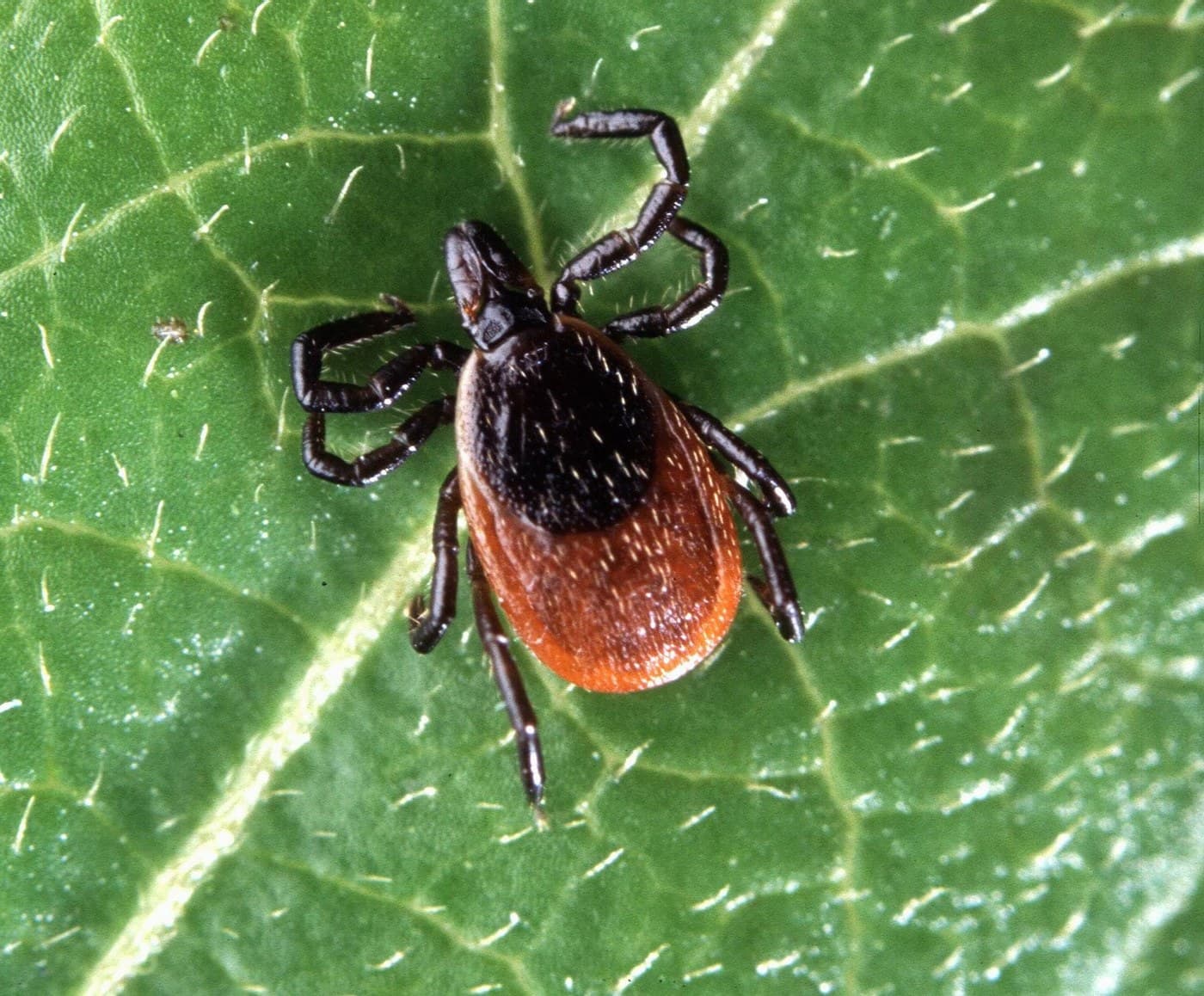
The steps that work
- 1
Mow often and keep the lawn short
Ticks wait on tall grass to grab a passing host. A short, regularly mowed lawn dries out and gives them far less to climb. This alone thins them out over a season.
- 2
Clear leaf litter and brush at the edges
Most yard ticks live where the lawn meets woods or tall grass. Rake and remove leaf litter, cut back brush, and clear tall weeds along fences and stone walls, the shady, humid zones ticks need.
- 3
Build a barrier between lawn and woods
A 3-foot strip of wood chips or gravel between your lawn and the woodline is a proven tick barrier. It is dry and open, which ticks avoid, and it keeps them from wandering onto the grass.
- 4
Move play sets, patios, and seating into the sun
Keep swing sets, sandboxes, patios, and hammocks away from the yard edges and out in sunny, open areas. Ticks do not thrive in dry, sunlit ground.
- 5
Discourage deer and mice
Deer carry adult ticks and mice carry the infected nymphs. Skip the deer-attracting plantings, keep bird feeders away from the house, seal sheds, and clear woodpiles and stone walls where mice nest.
- 6
Consider tick tubes
Tick tubes are cardboard tubes packed with permethrin-treated cotton. Mice take the cotton for nesting, which kills the young ticks feeding on them. Placed along walls and woods edges in spring and late summer, they target ticks at the source.
When to bring in a professional
If you have kids or pets, back up to woods, or have found ticks on the lawn itself, a professional barrier treatment is the highest-impact single step. A pro sprays an acaricide precisely along the edges where ticks live, and one well-timed spring application knocks down the nymph deer ticks that cause most Lyme cases.
Get a free tick-control quote
Tell us about your yard and a vetted local pro sends a free, no-obligation quote, usually within a business day.
Frequently asked questions
- What is the fastest way to get rid of ticks in a yard?
- A professional barrier treatment, an acaricide sprayed along the lawn edges and woodline, drops tick numbers the fastest, often by most of the population in a single spring application. Paired with mowing, clearing leaf litter, and a mulch barrier, it keeps the yard low-risk through the season.
- Does spraying the yard for ticks actually work?
- Yes. A targeted acaricide barrier spray along the edges where ticks live is effective, and a single well-timed spring treatment knocks down the nymph-stage deer ticks that cause most Lyme cases. It works best combined with habitat changes like mowing and a mulch barrier.
- When should I treat my yard for ticks?
- The highest-value window is spring, roughly April through June, to hit nymph deer ticks before their peak. A second late-summer treatment helps where lone star ticks are active, since their larvae swarm from July through September.
- How do I get rid of ticks in my yard naturally?
- Focus on habitat: mow short, clear leaf litter and brush, build a 3-foot wood-chip or gravel barrier at the woodline, move play areas into the sun, and discourage deer and mice. Tick tubes use permethrin to target ticks on mice at the source. Cedar-oil and other botanical yard sprays exist but generally need frequent reapplication.