Tick Repellents That Actually Work
There is a lot of hype around natural tick repellents. Here is the honest version: what the evidence supports, from permethrin-treated clothing to the essential oils, for people, dogs, and your yard, and how to check for ticks after you have been out. This is general information, not medical advice.
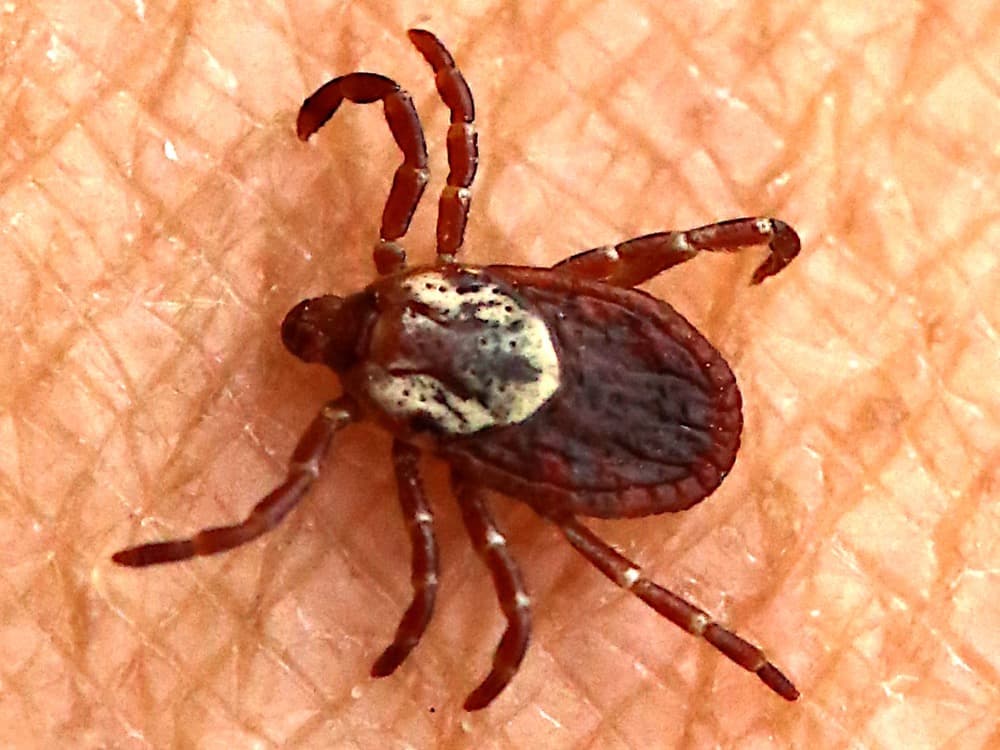
What actually works, ranked
Permethrin (on clothing, not skin)
The most effective option for real tick exposure. You treat clothing, socks, and gear, not skin, and it kills ticks on contact and lasts through several washes. Let treated items dry fully before wearing.
Oil of lemon eucalyptus (OLE / PMD)
The natural option with the best evidence, and EPA-registered. Applied to skin, it gives solid protection for a few hours. Not for children under three.
Picaridin and DEET
Well-studied skin repellents that work reliably against ticks. Picaridin is odorless and does not damage gear; DEET is the long-standing standard. Follow the label for reapplication.
Essential oils (cedar, lemongrass, geraniol)
These have genuine, if modest, repellent activity, but they evaporate fast and need frequent reapplication. A reasonable natural choice for light exposure, not a substitute for permethrin on a long hike.
For dogs (and a warning about cats)
The most reliable protection for a dog is a vet-approved tick preventive. Natural, dog-safe botanical sprays can supplement it, but should not replace it. One rule matters above all: permethrin and many essential oils are toxic to cats, so never use a dog product on a cat, and ask your vet before applying anything to either.
Repelling ticks starts with the yard
The fewer ticks in your yard, the less any repellent has to do. See the habitat fixes and treatment options that knock down yard ticks.
How to check for ticks after
No repellent is perfect, so a tick check after time outdoors is the real safety net. Check yourself, your kids, and your pets within a couple of hours, and shower to wash off any that are not yet attached. Look closely here:
- Behind and in the ears
- Along the hairline and in the hair
- Around the neck and collar
- Under the arms
- Around the waist and belt line
- Behind the knees and between the toes
Found one attached? See how to remove a tick from a dog, a cat, or check what it is on the identification chart.
Frequently asked questions
- What is the best natural tick repellent?
- Oil of lemon eucalyptus (OLE, or its active compound PMD) is the natural option with the strongest evidence, and it is EPA-registered for tick and mosquito protection. Essential oils like cedar, lemongrass, and geraniol can help but usually wear off faster and need frequent reapplication. For serious exposure, permethrin-treated clothing is the most effective approach.
- Do essential oils actually repel ticks?
- Some do, to a degree. Cedarwood, lemongrass, geraniol, and eucalyptus oils show real repellent activity in studies, but they evaporate quickly, so protection is shorter and you have to reapply often. They are a reasonable natural choice for light exposure; they are not as reliable as permethrin-treated clothing for a long hike in tick country.
- What is the most effective tick repellent overall?
- For clothing and gear, permethrin is the most effective; it kills ticks on contact and lasts through several washes. For skin, EPA-registered repellents with DEET, picaridin, or oil of lemon eucalyptus work well. Many people use both: permethrin on clothes and a skin repellent on exposed areas.
- What is a safe, natural tick repellent for dogs?
- Ask your vet first, because dogs and cats react differently to oils, and permethrin is toxic to cats. For dogs, vet-approved tick preventives are the most reliable protection. Some owners add diluted, dog-safe botanical sprays, but these should supplement, not replace, a vet-recommended preventive. Never apply a dog product to a cat.
- How often do I need to reapply tick repellent?
- Skin repellents last a few hours and should be reapplied per the label, sooner if you are sweating or in water. Natural essential-oil sprays wear off fastest. Permethrin is different: you treat clothing and gear, not skin, and it keeps working through multiple washes.