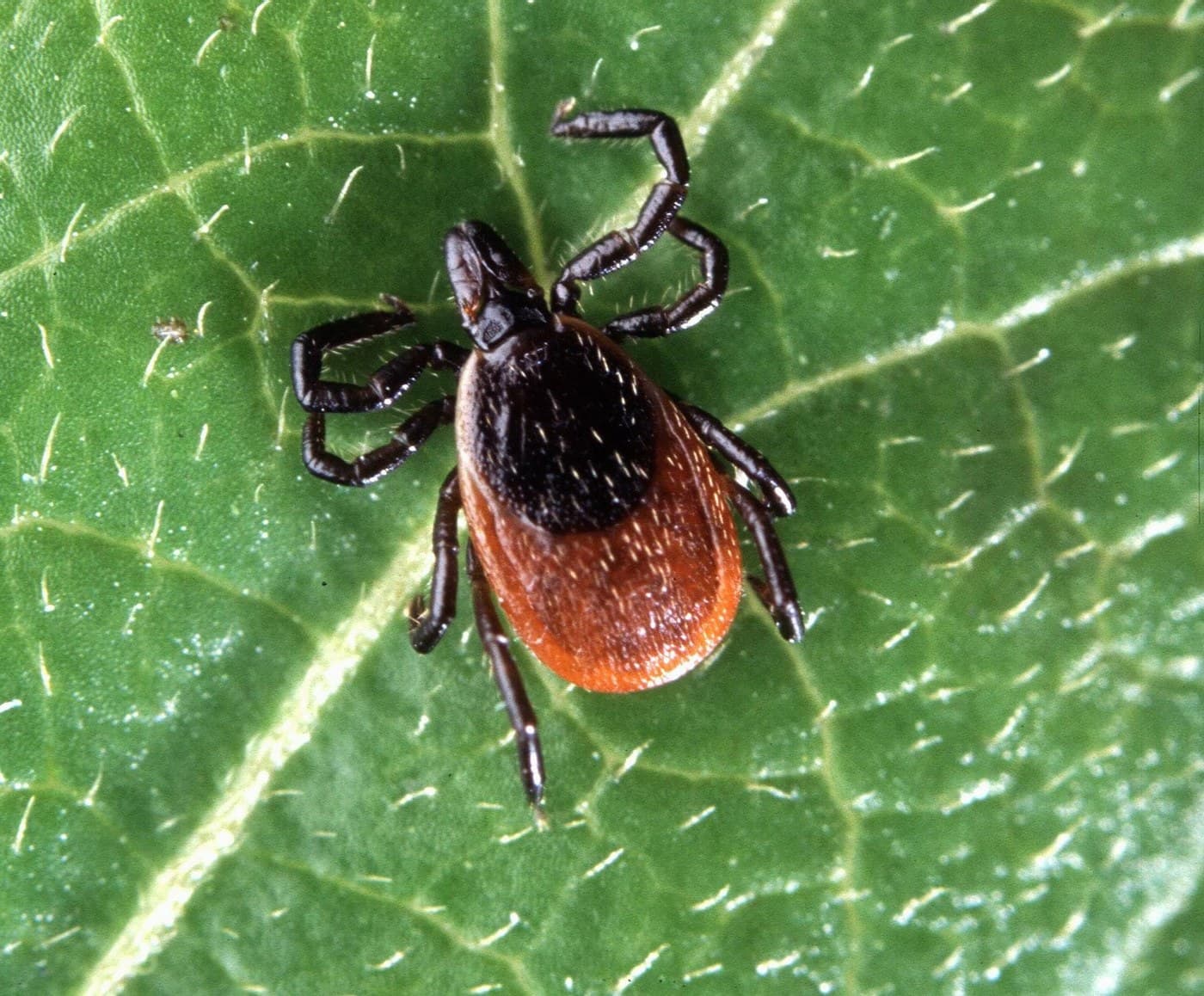
Deer tick
Ixodes scapularis
Established in Michigan
- Size:
- Small, a sesame seed (nymph: a poppy seed)
- Look for:
- Reddish-orange body, solid dark shield, black legs, no pattern
- Carries:
- Lyme, babesiosis, anaplasmosis, Powassan
Checked against CDC guidance, sources cited on this page. Last reviewed July 1, 2026. Who makes TickZone
The ticks you are most likely to find in Michigan, with photos and the size, color, and markings that tell them apart. Only the deer tick carries Lyme disease. Below the chart, see which types live in your county.
Ixodes scapularis
Established in Michigan
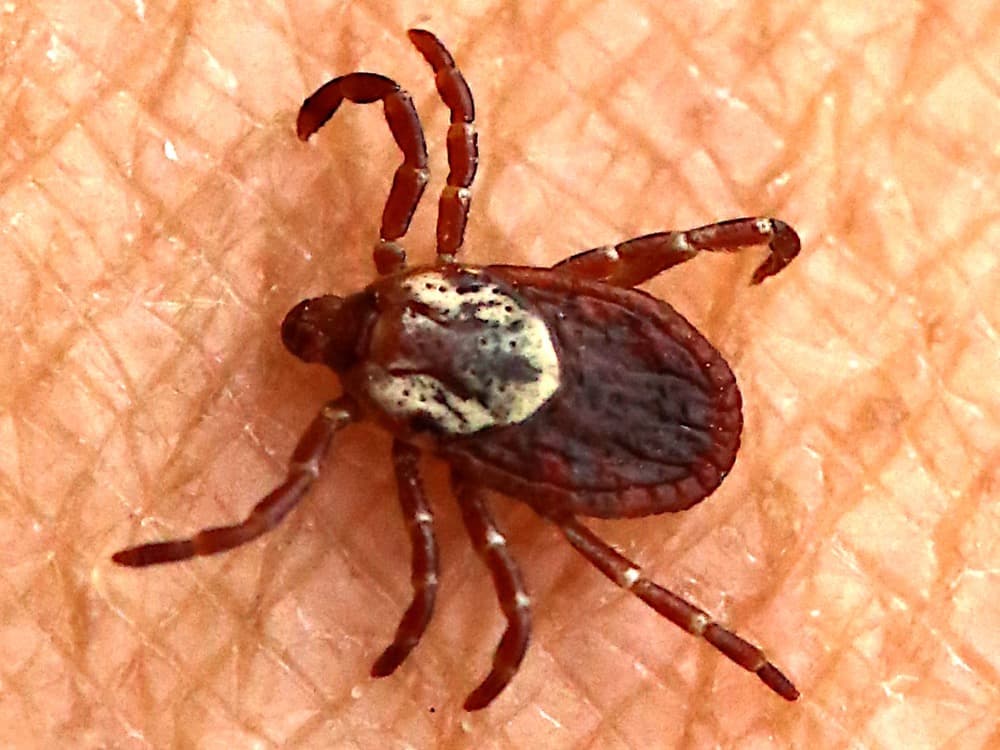
Dermacentor variabilis
Established in Michigan
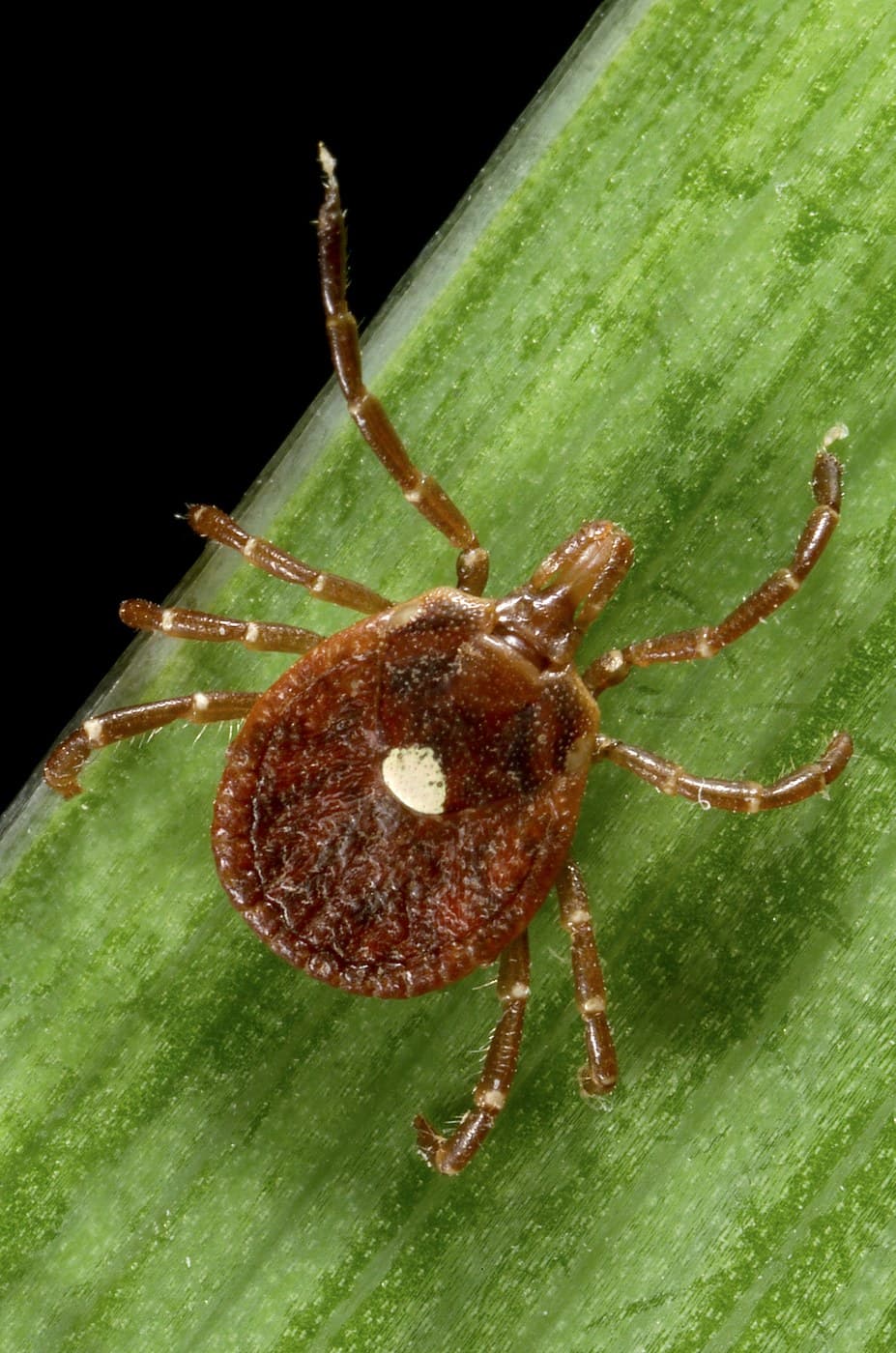
Amblyomma americanum
Established in Michigan
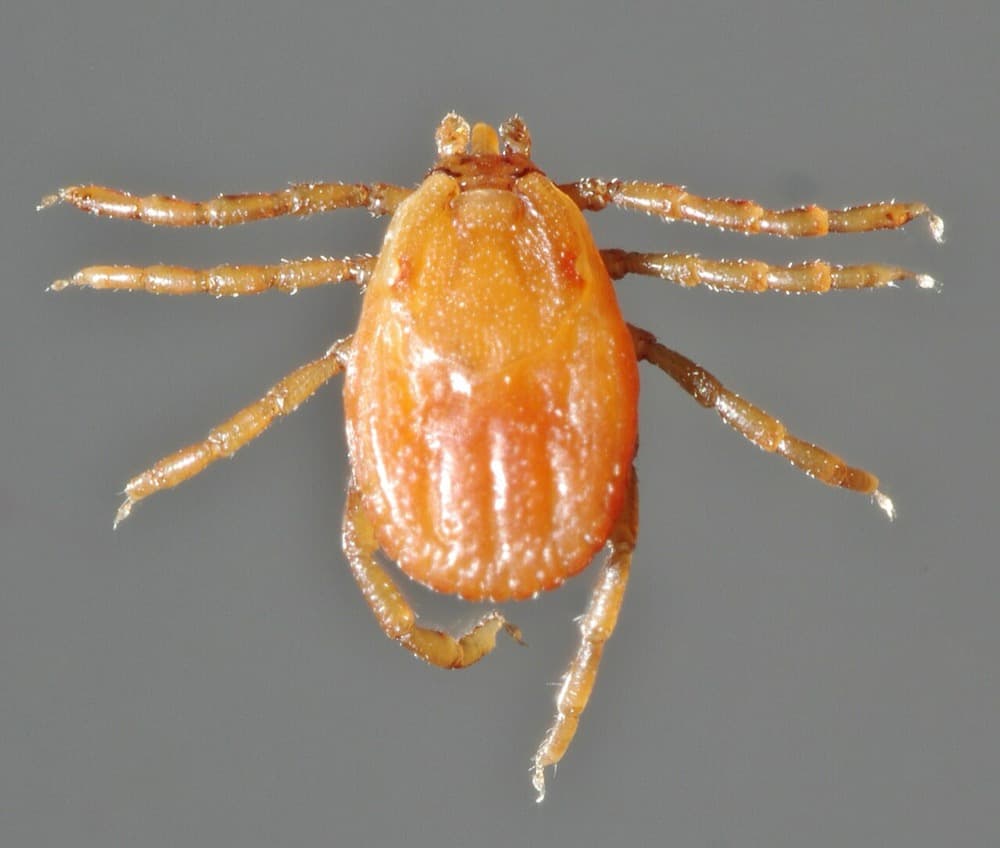
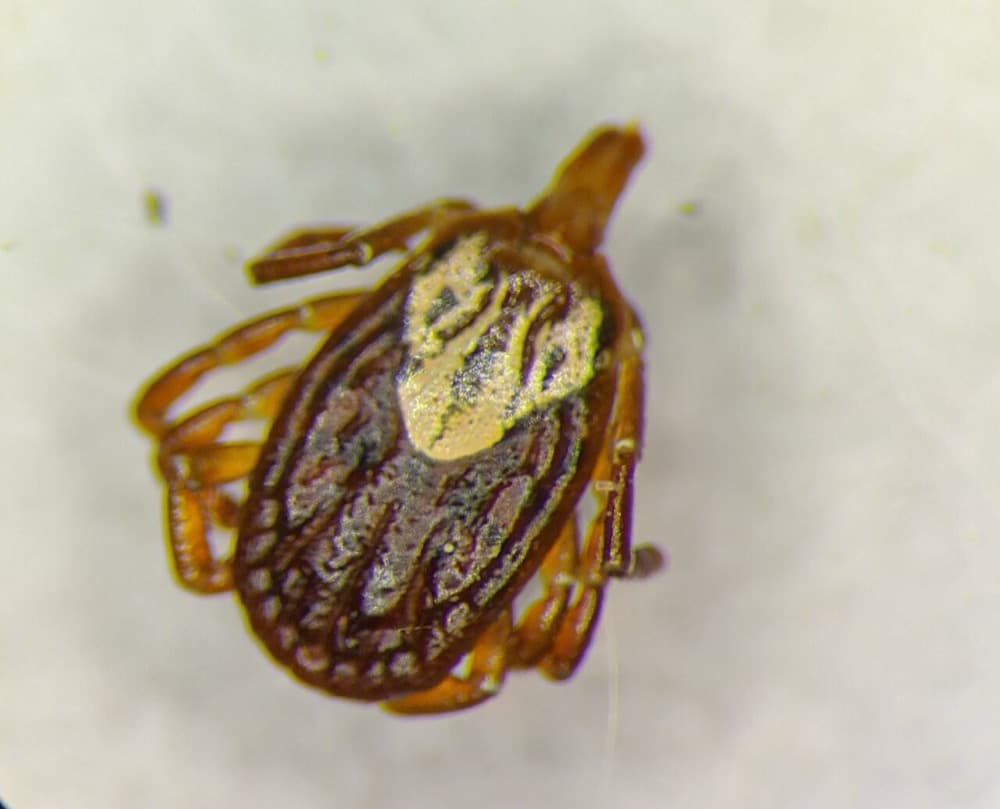
Rhipicephalus sanguineus
Found nationwide, the one tick that infests homes and kennels indoors
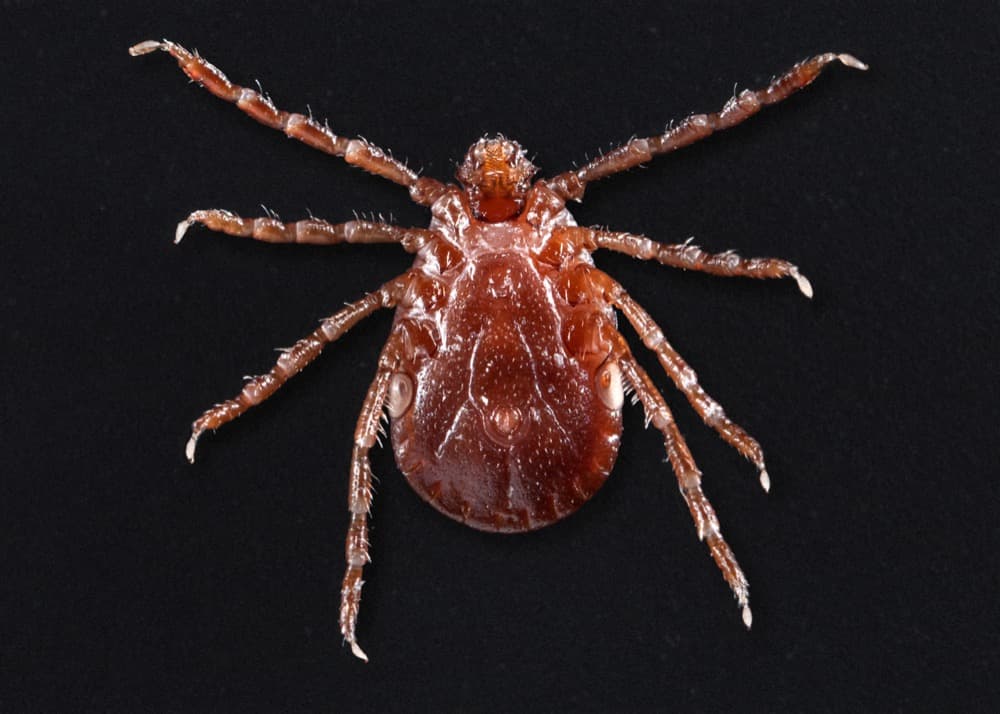
Amblyomma maculatum
A southern tick spreading north into the mid-Atlantic
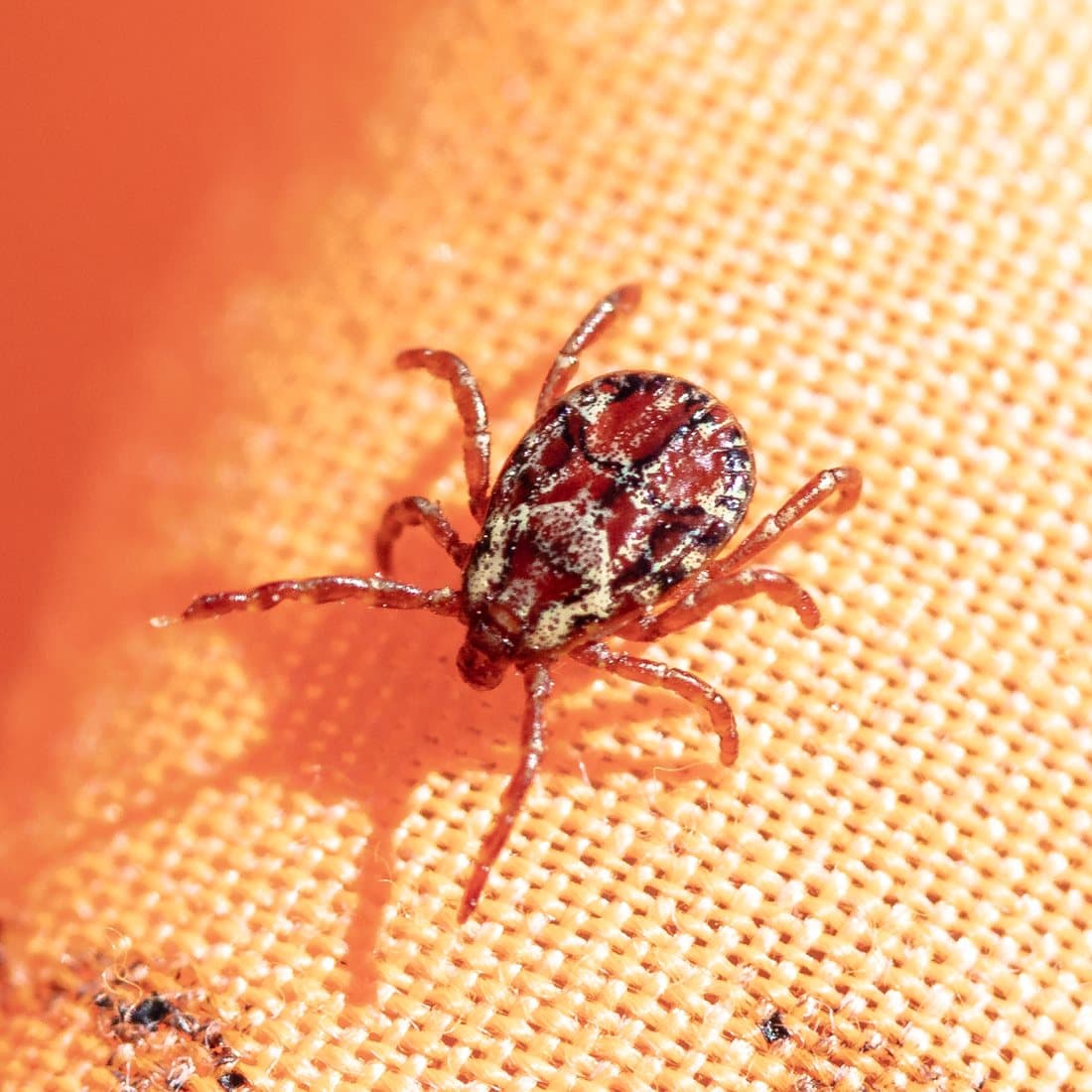
Haemaphysalis longicornis
A newer arrival, established in the mid-Atlantic and spreading north
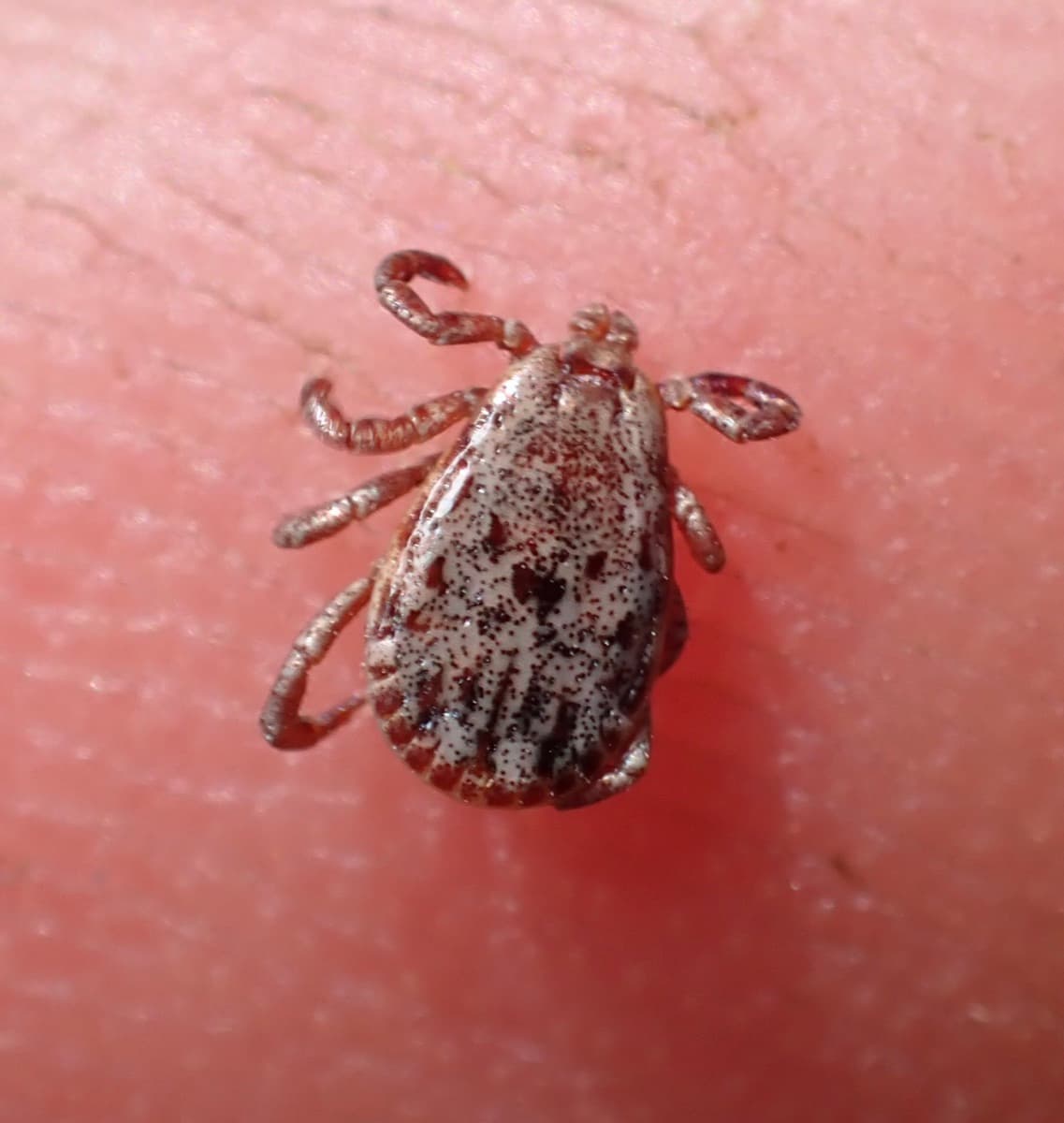
Dermacentor andersoni
Not established in Michigan
Dermacentor occidentalis
Not established in Michigan
Michigan establishment is shown for the three ticks CDC tracks by county; the others carry a regional range note. Source: CDC tick surveillance (ArboNET Tick Module), 2025. County surveillance is coarse: “not established” is a lack of records, not proof a tick is absent.
These are the three ticks CDC maps county by county, not the only ticks in Michigan: the brown dog, Gulf Coast, and Asian longhorned ticks are in the chart above. Tap a county for its daily tick-risk detail.
| County | Deer tick | American dog tick | Lone star tick |
|---|---|---|---|
| Alcona County | Established | Established | Not established |
| Alger County | Reported | Reported | Not established |
| Allegan County | Established | Established | Reported |
| Alpena County | Established | Established | Reported |
| Antrim County | Not established | Reported | Not established |
| Arenac County | Not established | Not established | Not established |
| Baraga County | Established | Established | Not established |
| Barry County | Established | Established | Reported |
| Bay County | Established | Reported | Reported |
| Benzie County | Established | Established | Not established |
| Berrien County | Established | Established | Established |
| Branch County | Not established | Established | Reported |
| Calhoun County | Established | Established | Reported |
| Cass County | Established | Established | Not established |
| Charlevoix County | Established | Reported | Not established |
| Cheboygan County | Established | Reported | Not established |
| Chippewa County | Established | Established | Reported |
| Clare County | Established | Established | Reported |
| Clinton County | Established | Reported | Reported |
| Crawford County | Not established | Reported | Reported |
| Delta County | Established | Established | Reported |
| Dickinson County | Established | Established | Not established |
| Eaton County | Established | Established | Not established |
| Emmet County | Established | Reported | Reported |
| Genesee County | Reported | Reported | Reported |
| Gladwin County | Established | Reported | Not established |
| Gogebic County | Established | Established | Not established |
| Grand Traverse County | Established | Reported | Reported |
| Gratiot County | Not established | Not established | Not established |
| Hillsdale County | Established | Established | Not established |
| Houghton County | Established | Reported | Not established |
| Huron County | Established | Reported | Reported |
| Ingham County | Established | Reported | Established |
| Ionia County | Established | Established | Not established |
| Iosco County | Established | Established | Reported |
| Iron County | Established | Established | Not established |
| Isabella County | Reported | Reported | Reported |
| Jackson County | Established | Established | Reported |
| Kalamazoo County | Established | Established | Reported |
| Kalkaska County | Not established | Not established | Not established |
| Kent County | Established | Established | Reported |
| Keweenaw County | Established | Reported | Not established |
| Lake County | Reported | Reported | Not established |
| Lapeer County | Reported | Reported | Reported |
| Leelanau County | Established | Reported | Not established |
| Lenawee County | Established | Established | Reported |
| Livingston County | Established | Established | Reported |
| Luce County | Reported | Reported | Not established |
| Mackinac County | Reported | Established | Not established |
| Macomb County | Established | Established | Reported |
| Manistee County | Established | Reported | Not established |
| Marquette County | Established | Established | Reported |
| Mason County | Established | Established | Reported |
| Mecosta County | Not established | Reported | Not established |
| Menominee County | Established | Established | Not established |
| Midland County | Reported | Reported | Reported |
| Missaukee County | Not established | Not established | Not established |
| Monroe County | Not established | Established | Reported |
| Montcalm County | Established | Reported | Not established |
| Montmorency County | Reported | Established | Not established |
| Muskegon County | Established | Established | Established |
| Newaygo County | Established | Reported | Reported |
| Oakland County | Established | Established | Established |
| Oceana County | Established | Reported | Reported |
| Ogemaw County | Reported | Reported | Not established |
| Ontonagon County | Established | Established | Reported |
| Osceola County | Reported | Reported | Not established |
| Oscoda County | Established | Established | Not established |
| Otsego County | Reported | Reported | Not established |
| Ottawa County | Established | Established | Reported |
| Presque Isle County | Established | Reported | Established |
| Roscommon County | Not established | Established | Not established |
| Saginaw County | Reported | Reported | Reported |
| Sanilac County | Reported | Reported | Reported |
| Schoolcraft County | Established | Established | Not established |
| Shiawassee County | Not established | Reported | Reported |
| St. Clair County | Established | Established | Not established |
| St. Joseph County | Established | Established | Not established |
| Tuscola County | Established | Reported | Reported |
| Van Buren County | Established | Established | Reported |
| Washtenaw County | Established | Established | Reported |
| Wayne County | Established | Established | Reported |
| Wexford County | Not established | Reported | Not established |
Lone star ticks and alpha-gal syndrome
The lone star tick is established in Michigan in 5 of 83 counties (see the table above). Its bite can cause alpha-gal syndrome, an allergy to red meat.
Nymph deer ticks are the size of a poppy seed and cause most Lyme cases in Michigan because they are so easy to miss. When you check for ticks, look for the small ones too, especially in June and July.
Tick activity is local and changes daily. Pick your state for tick season dates, the species that live there, and a daily tick-risk score for every town.