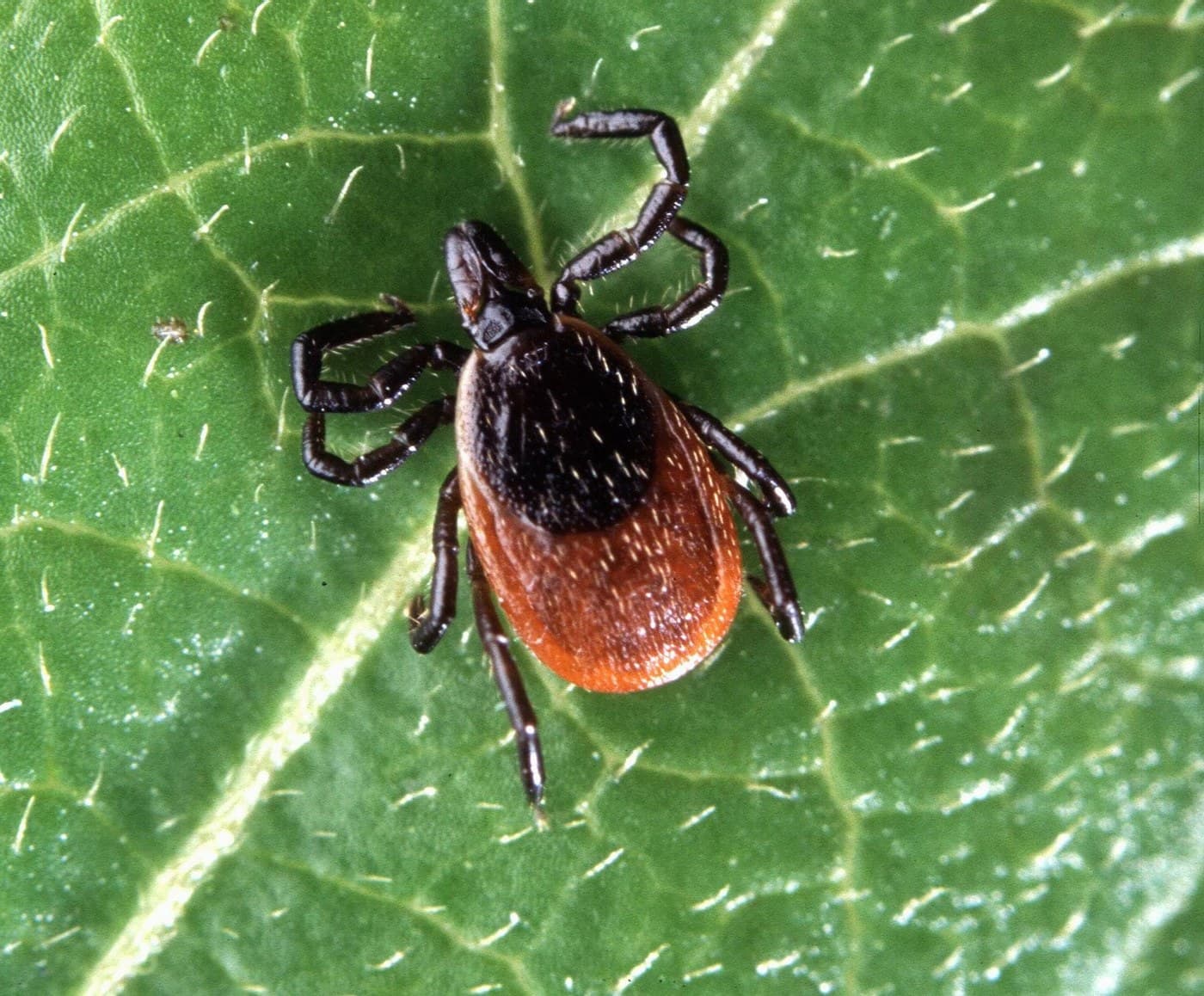
Deer tick
Ixodes scapularis
Established in Nebraska
- Size:
- Small, a sesame seed (nymph: a poppy seed)
- Look for:
- Reddish-orange body, solid dark shield, black legs, no pattern
- Carries:
- Lyme, babesiosis, anaplasmosis, Powassan
Checked against CDC guidance, sources cited on this page. Last reviewed July 1, 2026. Who makes TickZone
The ticks you are most likely to find in Nebraska, with photos and the size, color, and markings that tell them apart. Only the deer tick carries Lyme disease. Below the chart, see which types live in your county.
Ixodes scapularis
Established in Nebraska
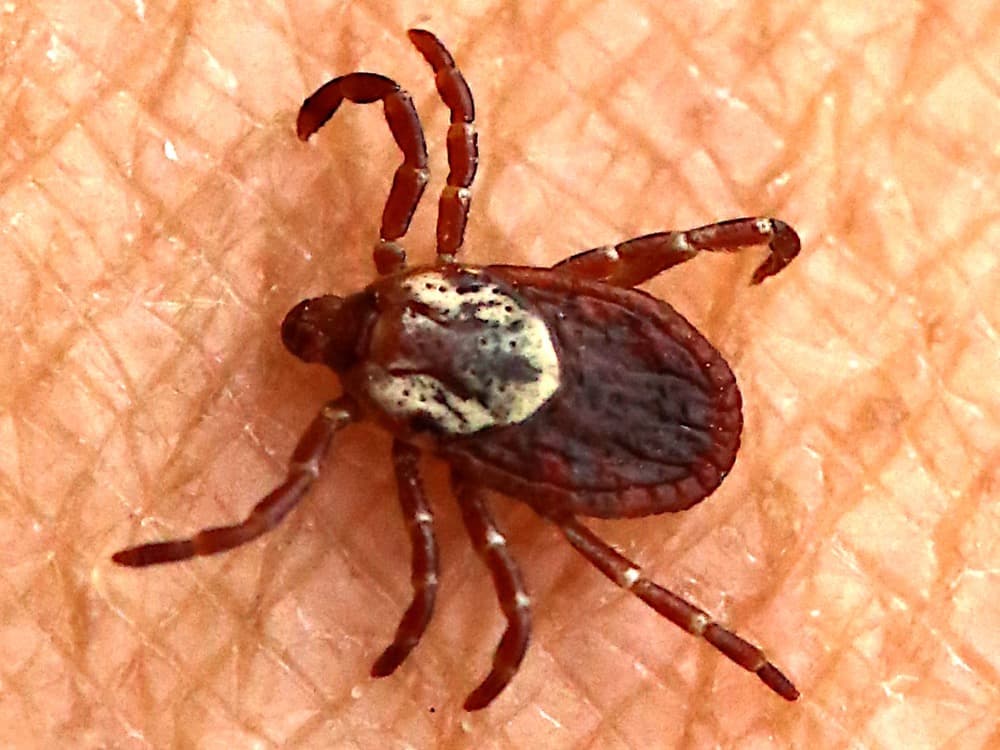
Dermacentor variabilis
Established in Nebraska
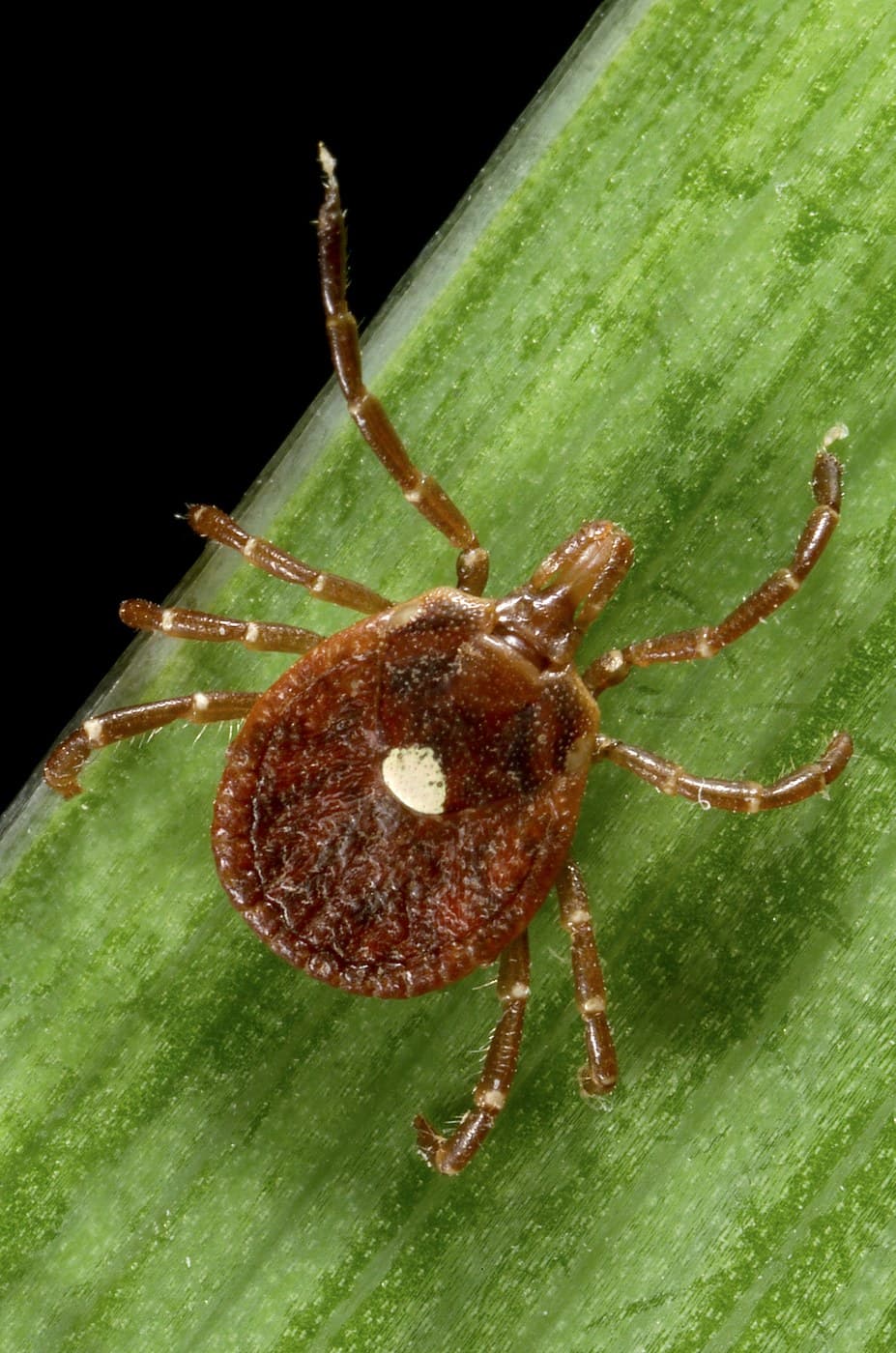
Amblyomma americanum
Established in Nebraska
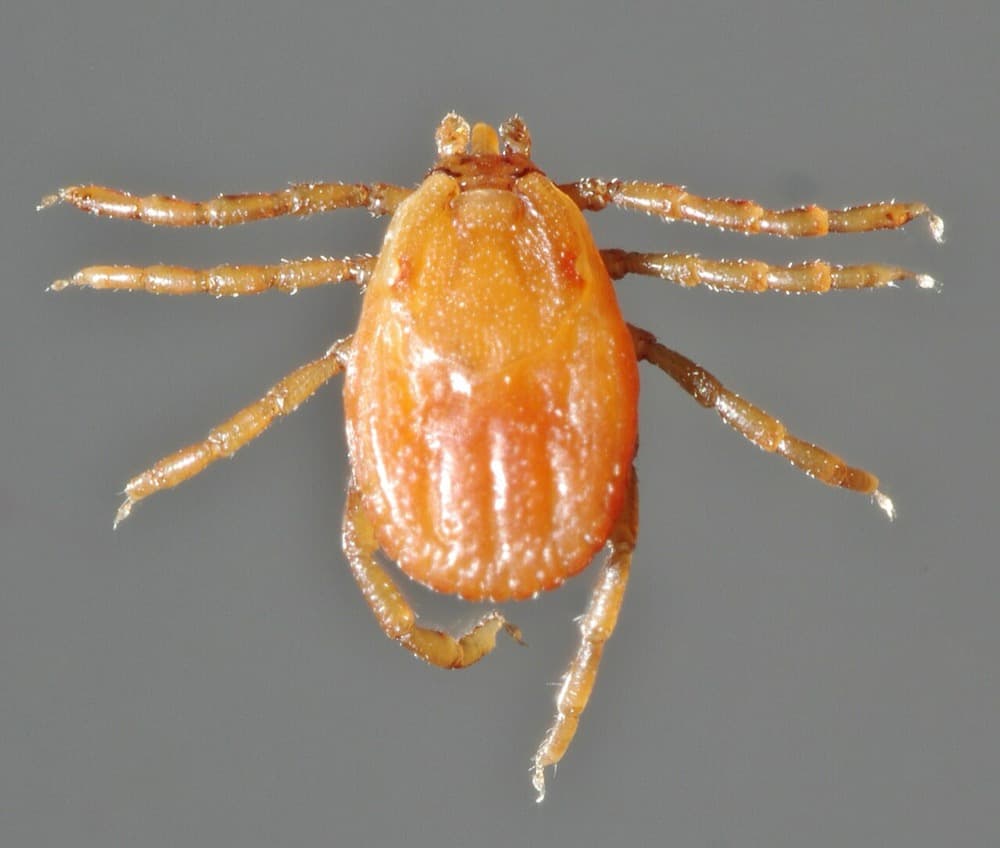
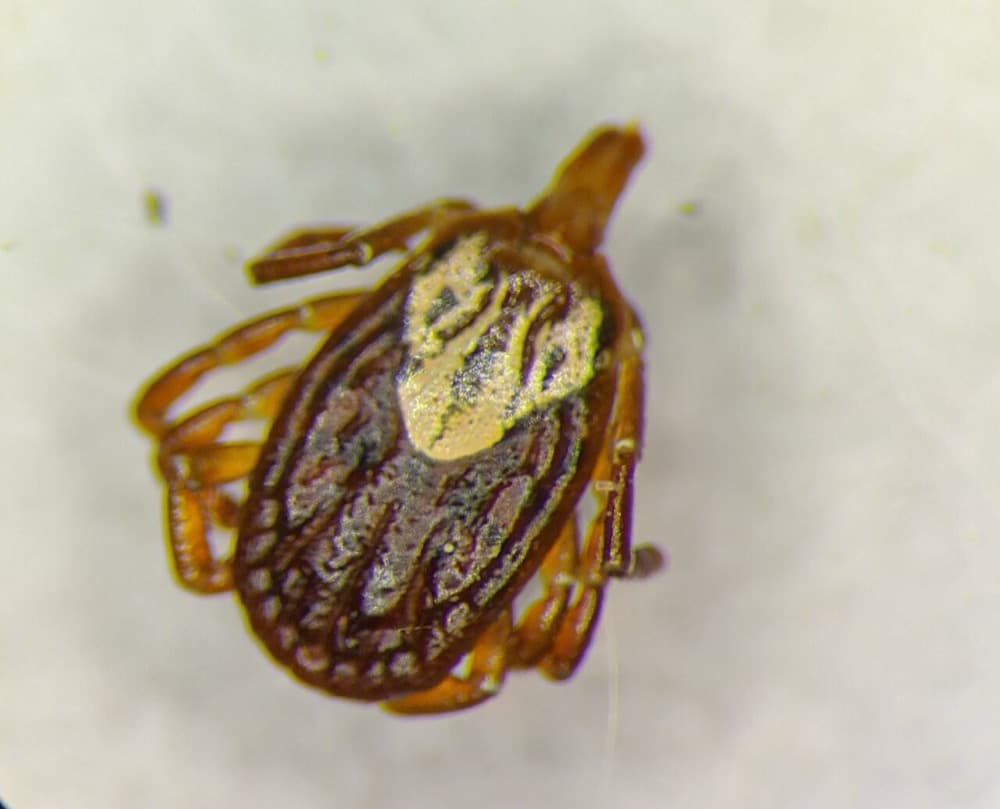
Rhipicephalus sanguineus
Found nationwide, the one tick that infests homes and kennels indoors
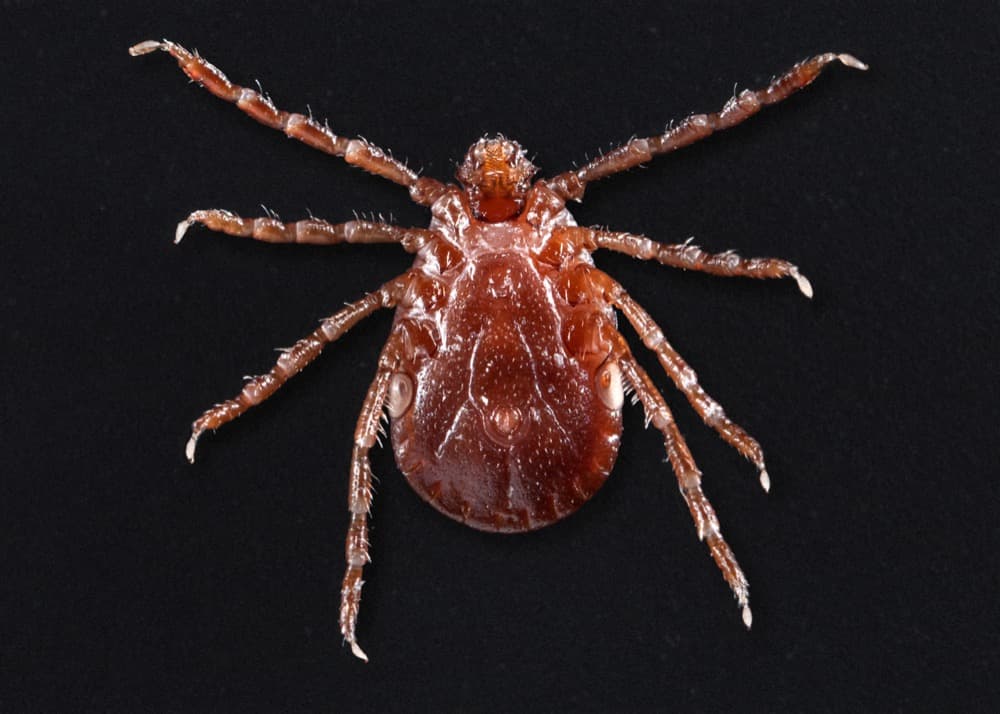
Amblyomma maculatum
A southern tick spreading north into the mid-Atlantic
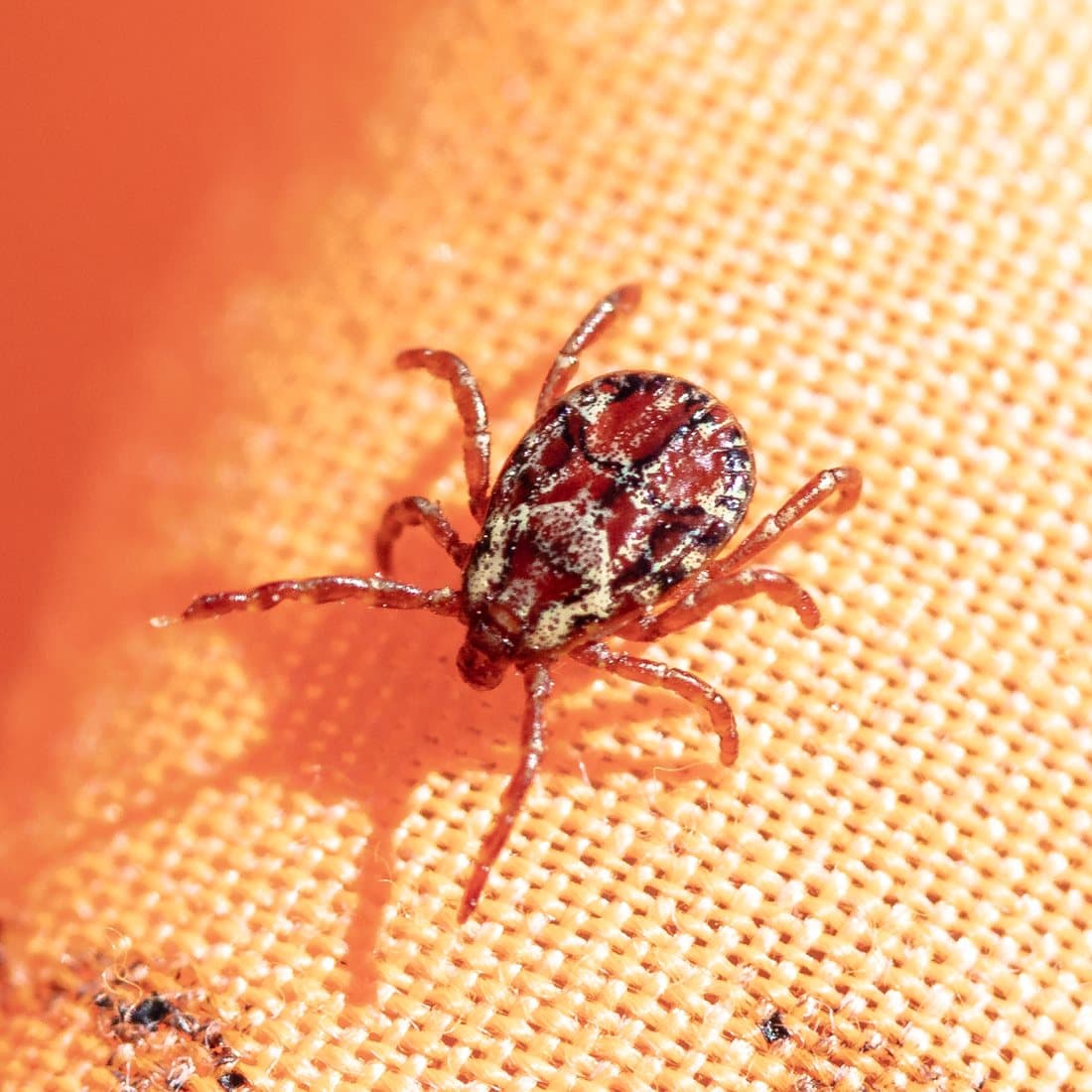
Haemaphysalis longicornis
A newer arrival, established in the mid-Atlantic and spreading north
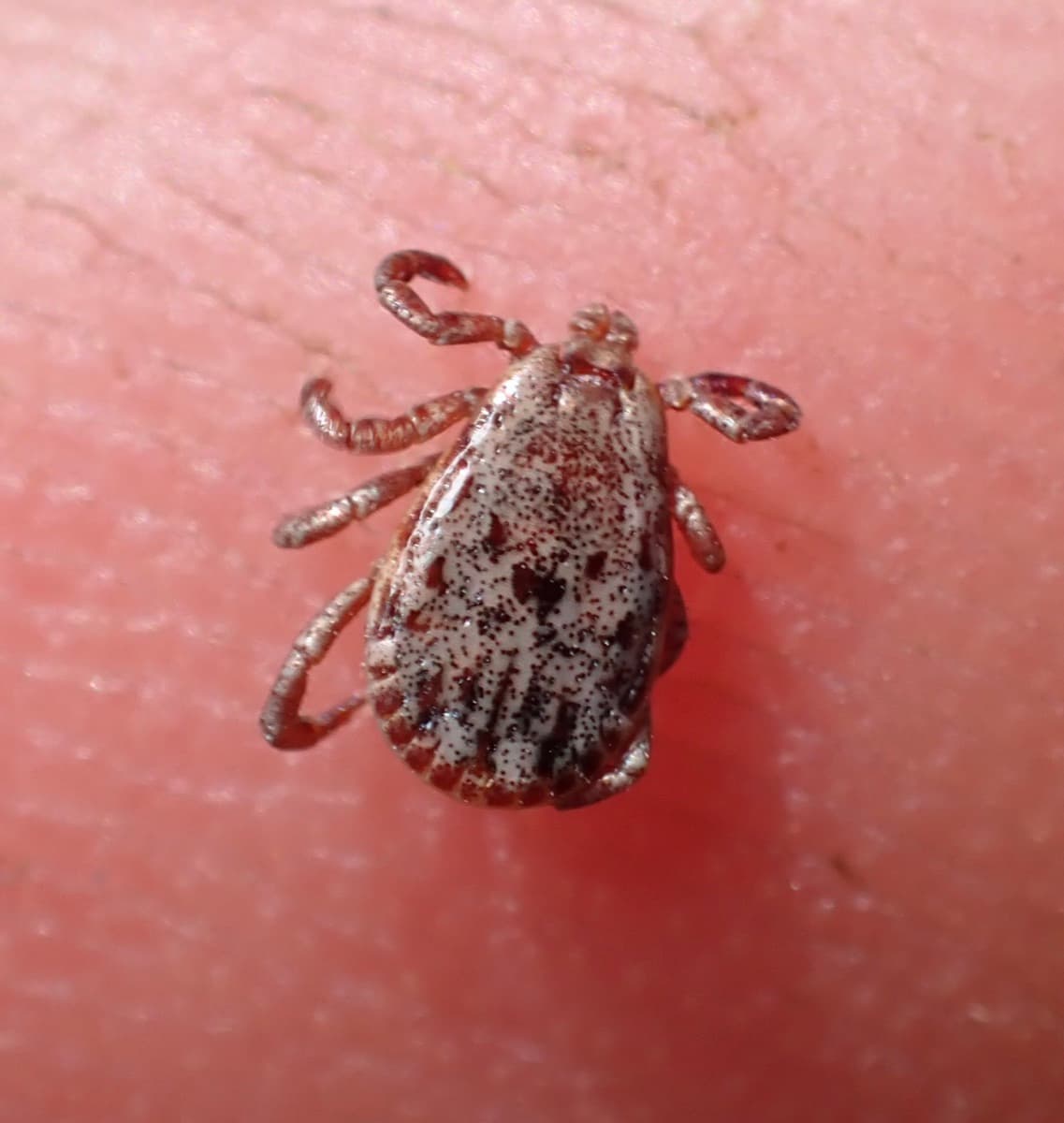
Dermacentor andersoni
Not established in Nebraska
Dermacentor occidentalis
Not established in Nebraska
Nebraska establishment is shown for the three ticks CDC tracks by county; the others carry a regional range note. Source: CDC tick surveillance (ArboNET Tick Module), 2025. County surveillance is coarse: “not established” is a lack of records, not proof a tick is absent.
These are the three ticks CDC maps county by county, not the only ticks in Nebraska: the brown dog, Gulf Coast, and Asian longhorned ticks are in the chart above. Tap a county for its daily tick-risk detail.
| County | Deer tick | American dog tick | Lone star tick |
|---|---|---|---|
| Adams County | Not established | Established | Established |
| Antelope County | Not established | Reported | Reported |
| Arthur County | Not established | Not established | Not established |
| Blaine County | Not established | Reported | Not established |
| Boone County | Not established | Not established | Not established |
| Box Butte County | Not established | Not established | Not established |
| Boyd County | Not established | Established | Reported |
| Brown County | Not established | Established | Not established |
| Buffalo County | Not established | Established | Established |
| Burt County | Not established | Established | Reported |
| Butler County | Not established | Established | Established |
| Cass County | Reported | Established | Established |
| Cedar County | Not established | Established | Not established |
| Chase County | Not established | Reported | Not established |
| Cherry County | Not established | Established | Not established |
| Cheyenne County | Not established | Reported | Not established |
| Clay County | Not established | Reported | Not established |
| Colfax County | Not established | Reported | Not established |
| Cuming County | Not established | Reported | Not established |
| Custer County | Not established | Established | Reported |
| Dakota County | Reported | Established | Reported |
| Dawes County | Not established | Established | Not established |
| Dawson County | Not established | Established | Reported |
| Deuel County | Not established | Established | Not established |
| Dixon County | Reported | Established | Reported |
| Dodge County | Not established | Established | Established |
| Douglas County | Established | Established | Established |
| Dundy County | Not established | Established | Not established |
| Fillmore County | Not established | Not established | Not established |
| Franklin County | Not established | Reported | Not established |
| Frontier County | Not established | Established | Reported |
| Furnas County | Not established | Reported | Reported |
| Gage County | Not established | Established | Established |
| Garden County | Not established | Not established | Not established |
| Garfield County | Not established | Reported | Not established |
| Gosper County | Not established | Reported | Not established |
| Grant County | Not established | Not established | Not established |
| Greeley County | Not established | Reported | Not established |
| Hall County | Not established | Established | Established |
| Hamilton County | Not established | Reported | Reported |
| Harlan County | Not established | Reported | Established |
| Hayes County | Not established | Established | Reported |
| Hitchcock County | Not established | Established | Reported |
| Holt County | Not established | Established | Not established |
| Hooker County | Not established | Reported | Not established |
| Howard County | Not established | Established | Established |
| Jefferson County | Not established | Established | Established |
| Johnson County | Not established | Reported | Established |
| Kearney County | Not established | Reported | Not established |
| Keith County | Not established | Established | Not established |
| Keya Paha County | Not established | Reported | Not established |
| Kimball County | Not established | Not established | Not established |
| Knox County | Not established | Established | Reported |
| Lancaster County | Reported | Established | Established |
| Lincoln County | Not established | Established | Not established |
| Logan County | Not established | Not established | Not established |
| Loup County | Not established | Established | Not established |
| Madison County | Reported | Established | Reported |
| Merrick County | Not established | Established | Established |
| Morrill County | Not established | Reported | Not established |
| Nance County | Not established | Established | Reported |
| Nemaha County | Not established | Reported | Established |
| Nuckolls County | Not established | Reported | Not established |
| Otoe County | Not established | Reported | Reported |
| Pawnee County | Reported | Established | Established |
| Perkins County | Not established | Reported | Not established |
| Phelps County | Not established | Reported | Established |
| Pierce County | Not established | Not established | Not established |
| Platte County | Not established | Established | Established |
| Polk County | Not established | Reported | Not established |
| Red Willow County | Not established | Reported | Reported |
| Richardson County | Not established | Established | Established |
| Rock County | Not established | Reported | Not established |
| Saline County | Not established | Established | Established |
| Sarpy County | Established | Established | Established |
| Saunders County | Not established | Established | Established |
| Scotts Bluff County | Not established | Reported | Reported |
| Seward County | Not established | Established | Established |
| Sheridan County | Not established | Reported | Reported |
| Sherman County | Not established | Established | Not established |
| Sioux County | Not established | Reported | Not established |
| Stanton County | Not established | Established | Not established |
| Thayer County | Not established | Established | Established |
| Thomas County | Not established | Reported | Established |
| Thurston County | Established | Established | Established |
| Valley County | Not established | Established | Not established |
| Washington County | Not established | Reported | Reported |
| Wayne County | Not established | Established | Not established |
| Webster County | Not established | Established | Established |
| Wheeler County | Not established | Established | Not established |
| York County | Not established | Established | Reported |
Lone star ticks and alpha-gal syndrome
The lone star tick is established in Nebraska in 27 of 91 counties (see the table above). Its bite can cause alpha-gal syndrome, an allergy to red meat.
Nymph deer ticks are the size of a poppy seed and cause most Lyme cases in Nebraska because they are so easy to miss. When you check for ticks, look for the small ones too, especially in June and July.
Tick activity is local and changes daily. Pick your state for tick season dates, the species that live there, and a daily tick-risk score for every town.