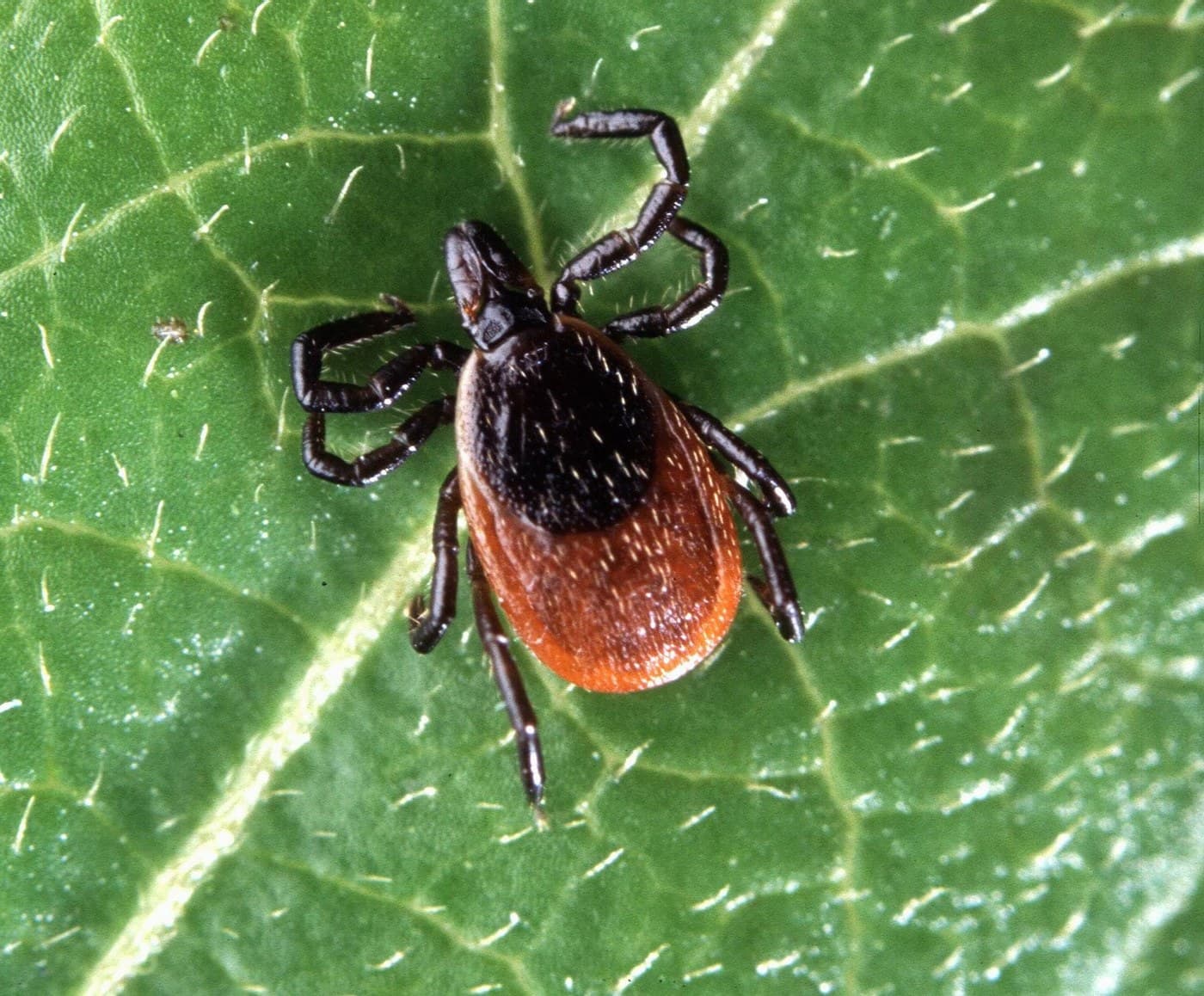
Deer tick
Ixodes scapularis
Not established in Hawaii
- Size:
- Small, a sesame seed (nymph: a poppy seed)
- Look for:
- Reddish-orange body, solid dark shield, black legs, no pattern
- Carries:
- Lyme, babesiosis, anaplasmosis, Powassan
Checked against CDC guidance, sources cited on this page. Last reviewed July 1, 2026. Who makes TickZone
The ticks you are most likely to find in Hawaii, with photos and the size, color, and markings that tell them apart. Only the deer tick carries Lyme disease. Below the chart, see which types live in your county.
Ixodes scapularis
Not established in Hawaii
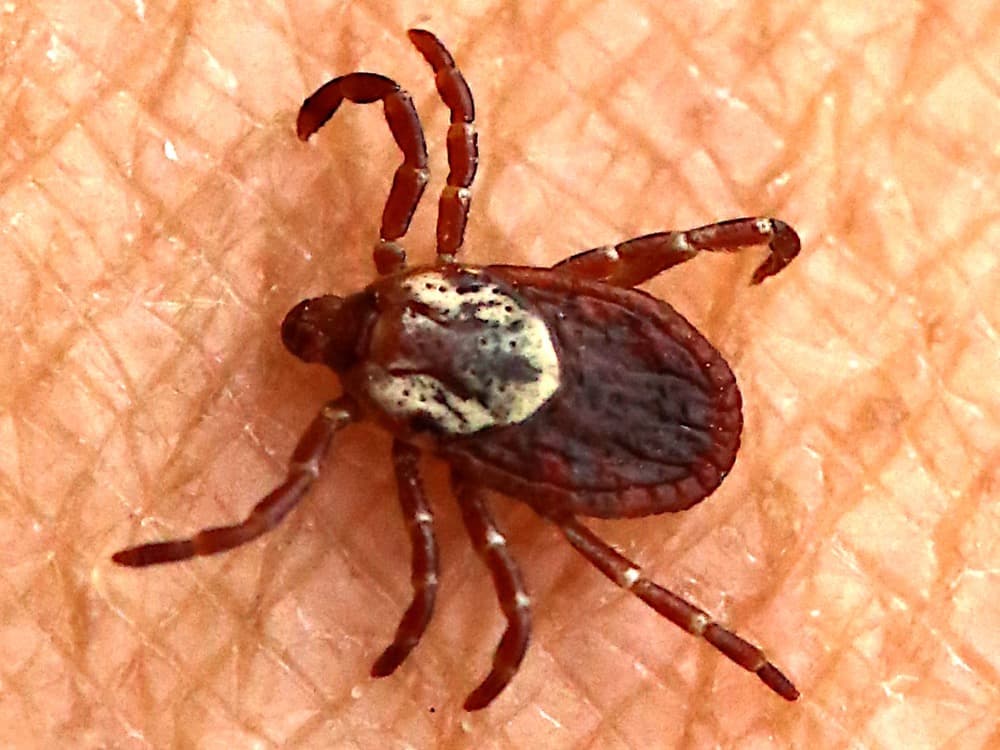
Dermacentor variabilis
Not established in Hawaii
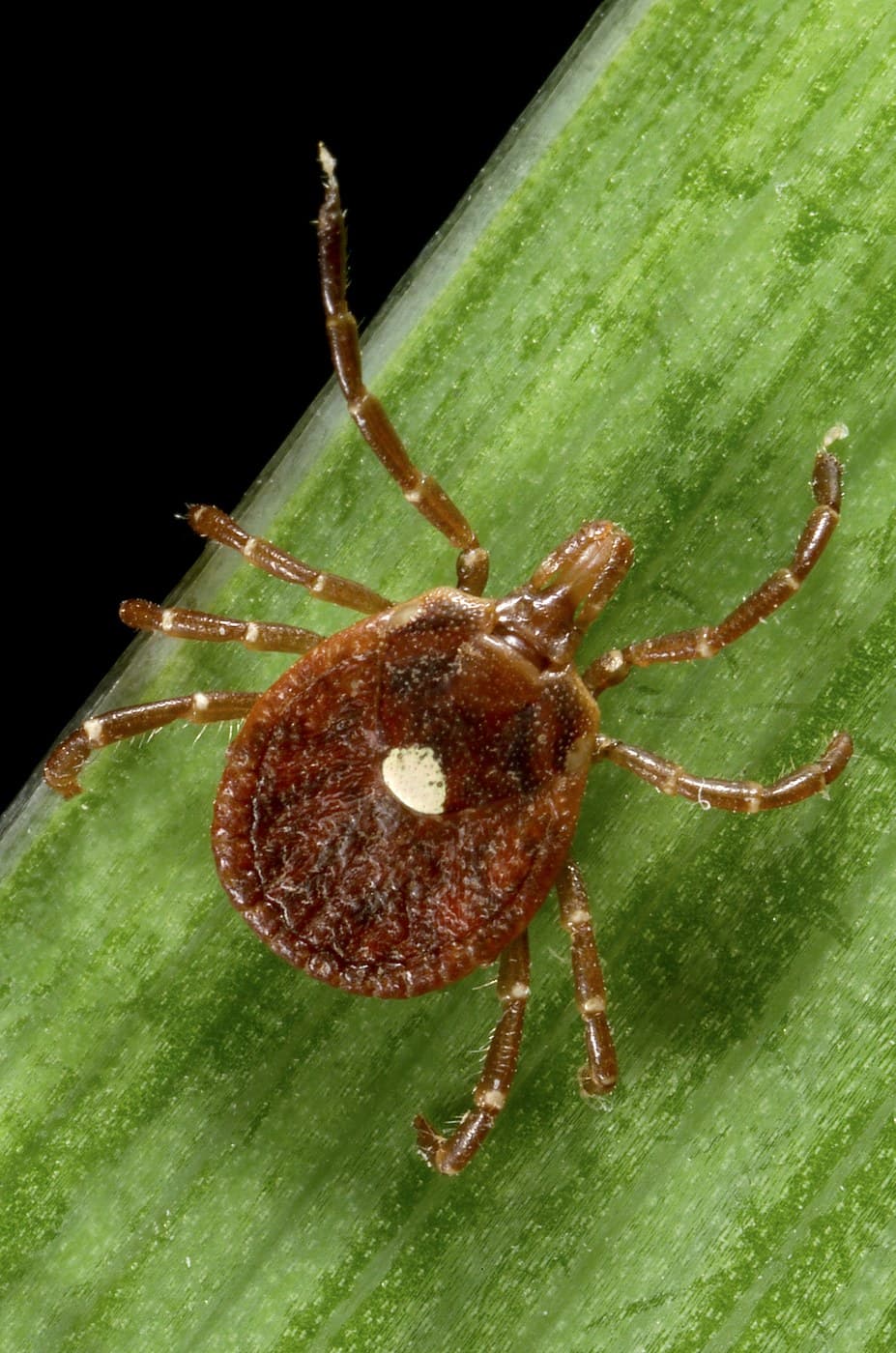
Amblyomma americanum
Not established in Hawaii
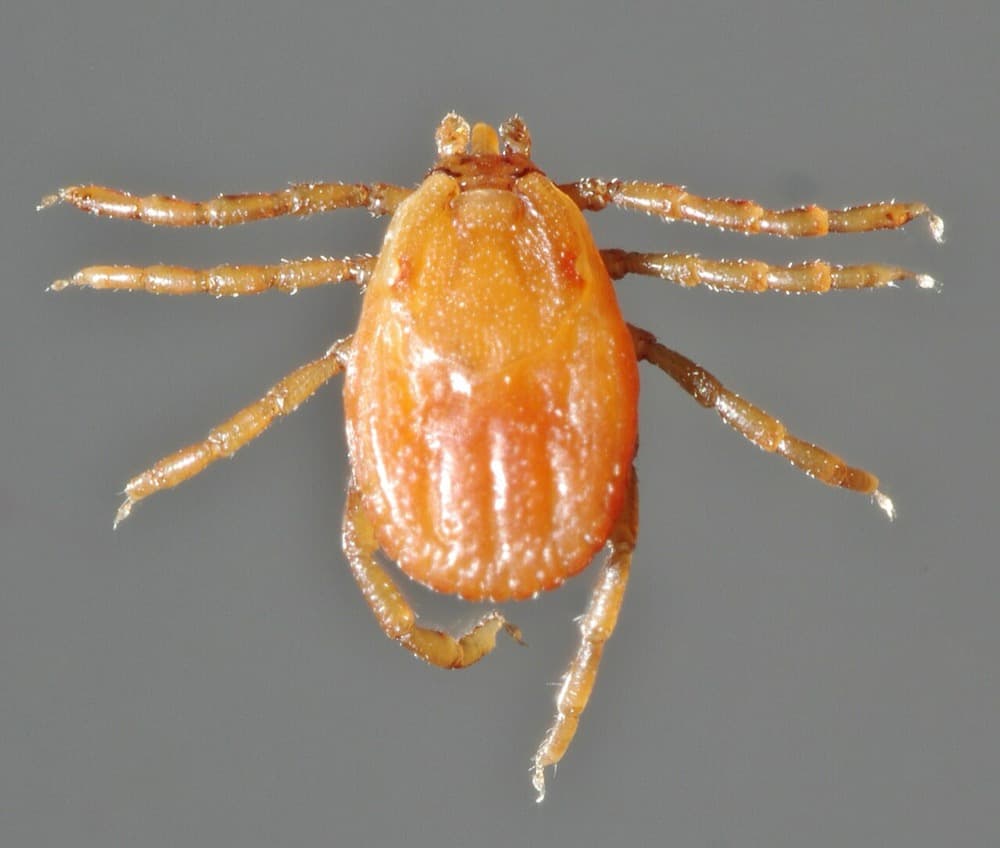
Rhipicephalus sanguineus
Found nationwide, the one tick that infests homes and kennels indoors
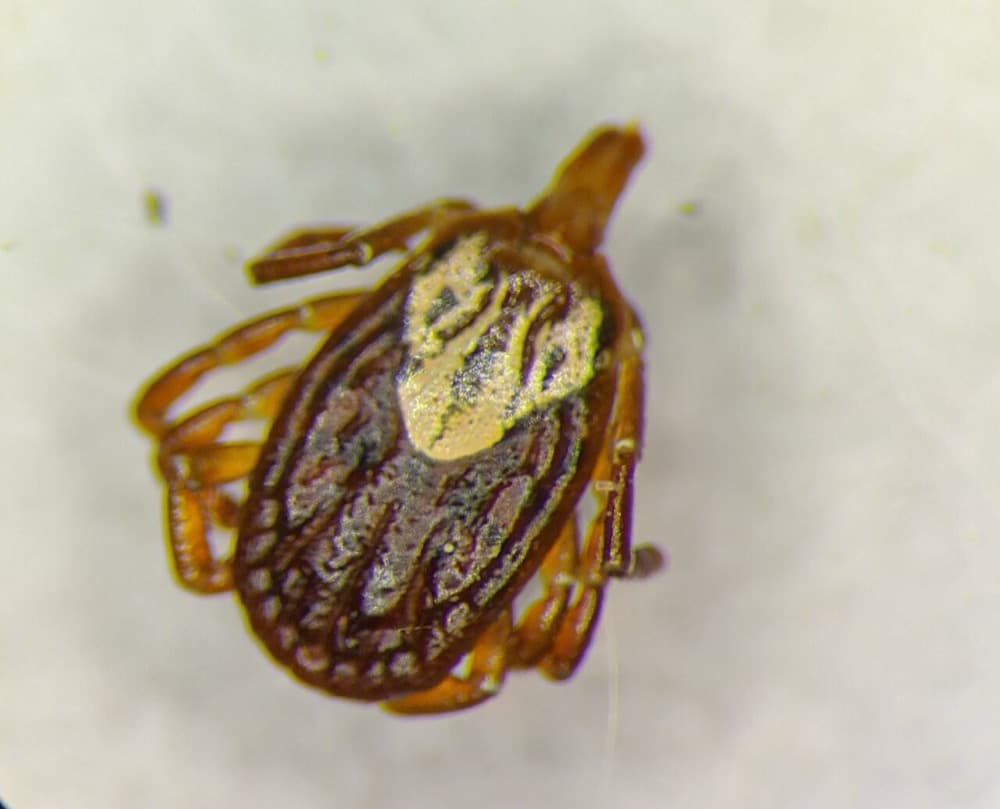
Amblyomma maculatum
A southern tick spreading north into the mid-Atlantic
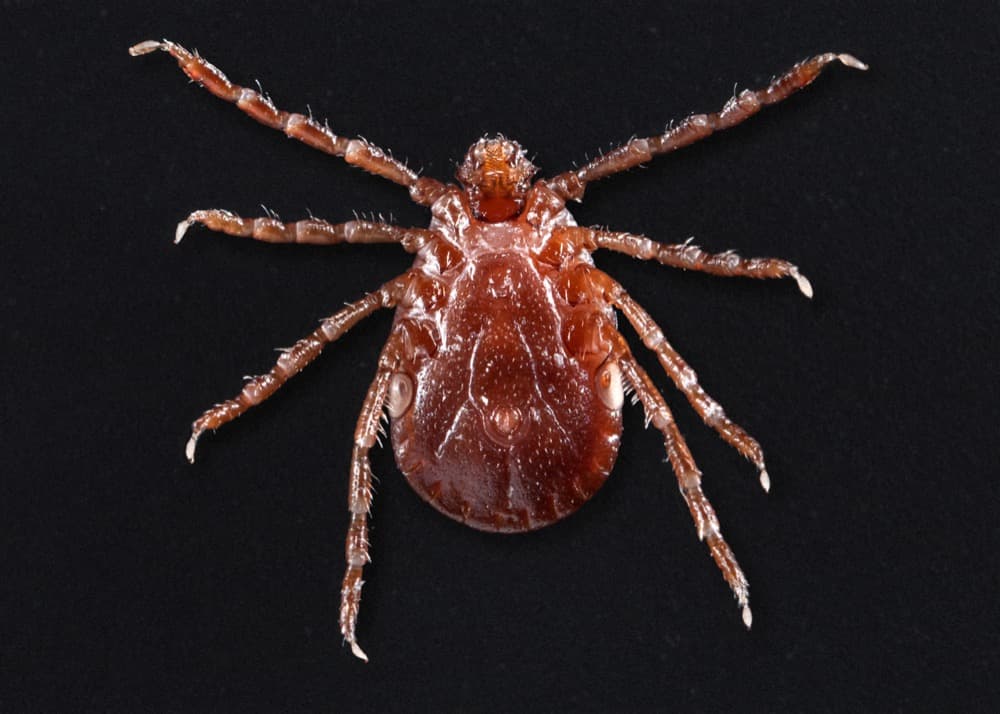
Haemaphysalis longicornis
A newer arrival, established in the mid-Atlantic and spreading north
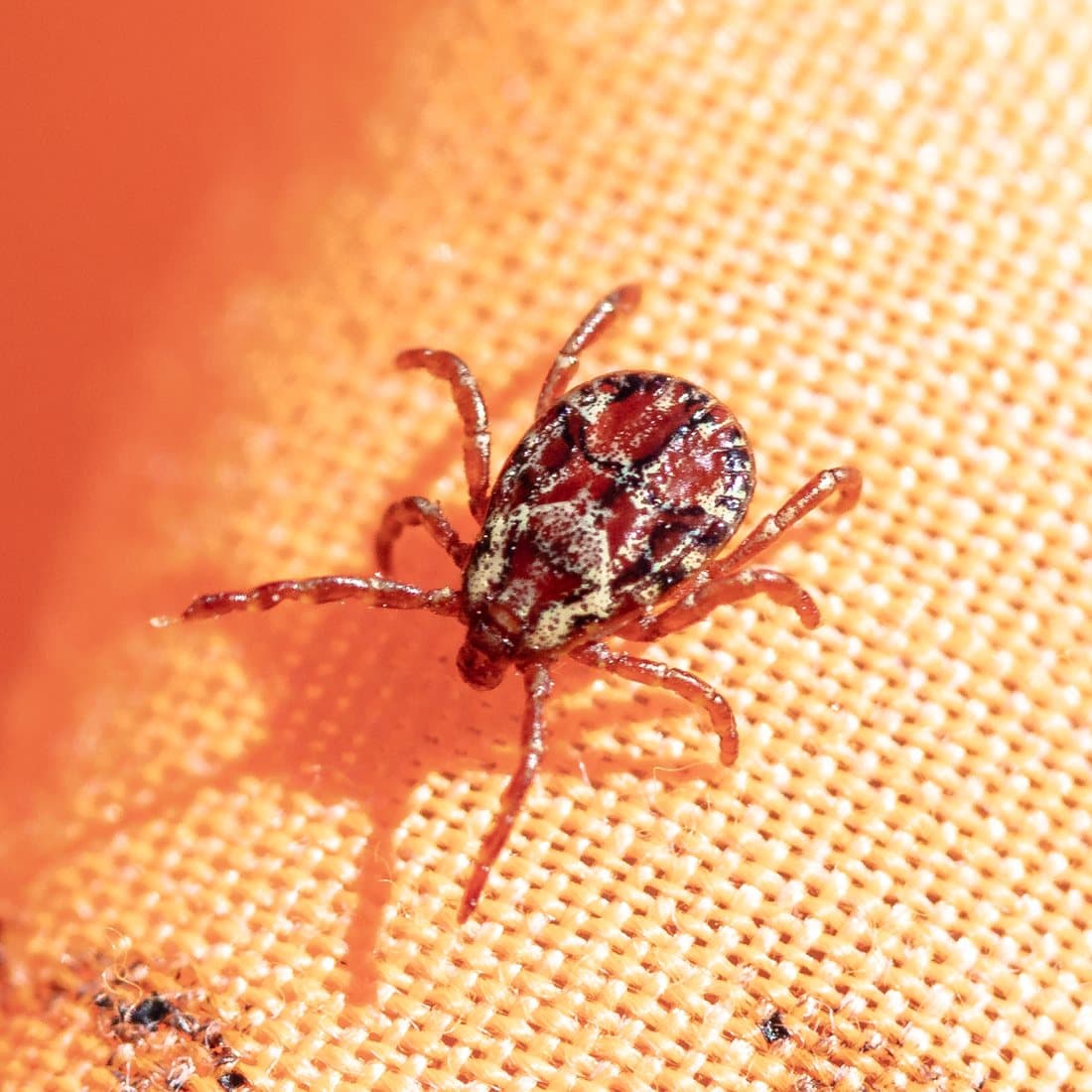
Dermacentor andersoni
Not established in Hawaii
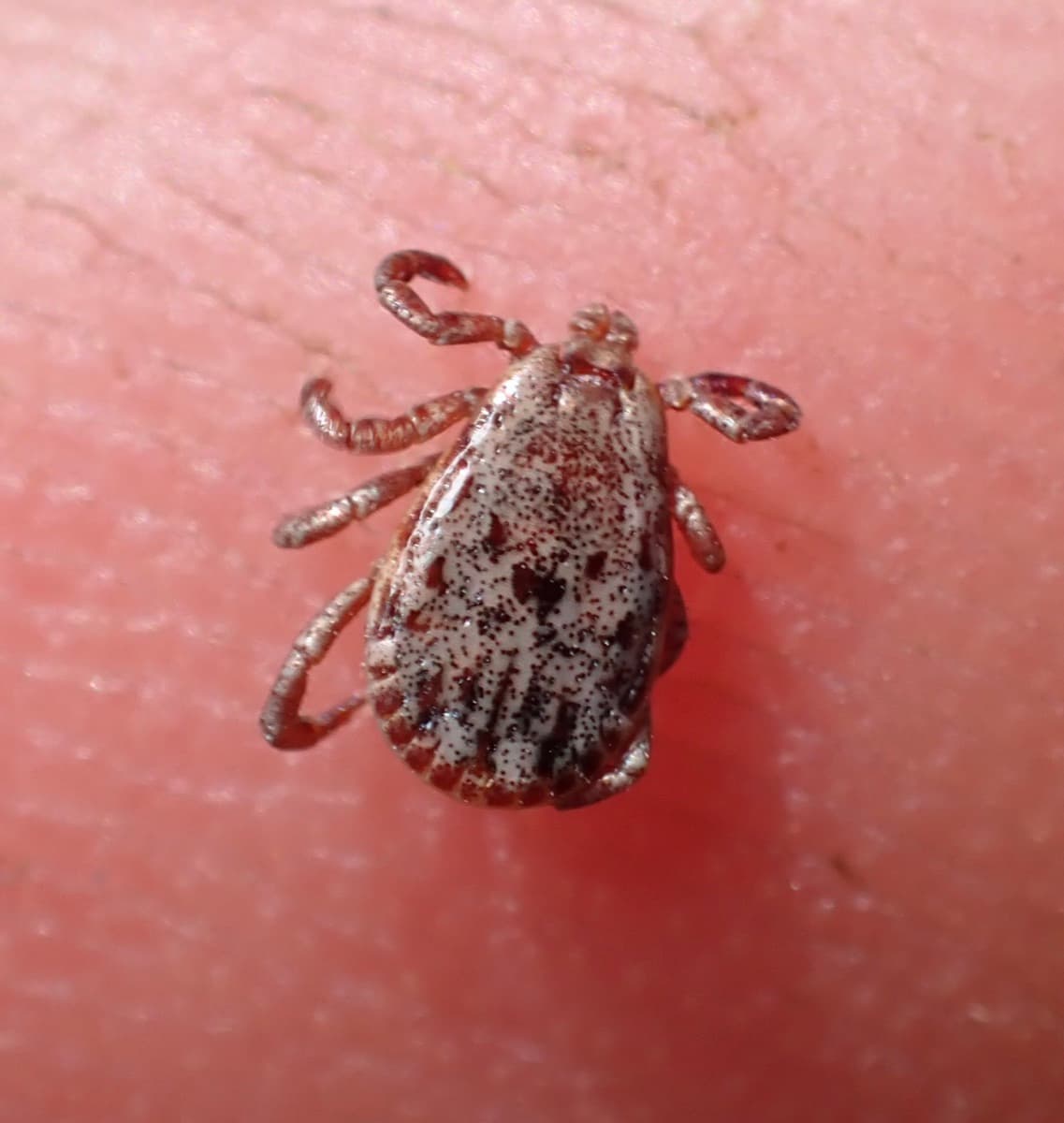
Dermacentor occidentalis
Not established in Hawaii
Hawaii establishment is shown for the three ticks CDC tracks by county; the others carry a regional range note. Source: CDC tick surveillance (ArboNET Tick Module), 2025. County surveillance is coarse: “not established” is a lack of records, not proof a tick is absent.
These are the three ticks CDC maps county by county, not the only ticks in Hawaii: the brown dog, Gulf Coast, and Asian longhorned ticks are in the chart above. Tap a county for its daily tick-risk detail.
| County | Deer tick | American dog tick | Lone star tick |
|---|---|---|---|
| Hawaii County | Not established | Not established | Not established |
| Honolulu County | Not established | Not established | Not established |
| Kauai County | Not established | Not established | Not established |
| Maui County | Not established | Not established | Not established |
Nymph deer ticks are the size of a poppy seed and cause most Lyme cases in Hawaii because they are so easy to miss. When you check for ticks, look for the small ones too, especially in June and July.
Tick activity is local and changes daily. Pick your state for tick season dates, the species that live there, and a daily tick-risk score for every town.